Blog Content
Why Understanding Water Main Coverage Matters for Maine Homeowners
Does homeowners insurance cover water main breaks? Here's the quick answer most Maine homeowners need to know:
Standard Coverage:
- Yes - Damage to your home's interior from sudden water intrusion
- Yes - Damage to your personal belongings if water enters suddenly
- No - The cost to repair the broken pipe itself
- No - Damage from slow seepage or gradual leaks
- No - Flooding from surface water (requires separate flood insurance)
Critical Gap:Your standard homeowners policy likely does not cover the repair of the service line between the city water main and your house. This requires a special "Service Line Coverage" endorsement.
Water damage isn't just common—it's the most frequent property insurance claim. According to the Insurance Information Institute, water damage costs homeowners an average of $13,954 per claim, and about 1 in 60 insured homes files a water or freezing damage claim each year.
For Maine homeowners in Wells, Kennebunk, Ogunquit, and Biddeford, winter freezes and aging infrastructure make these risks even more real. A burst water main can flood your basement in minutes. The difference between a covered claim and a devastating out-of-pocket expense often comes down to understanding a few crucial distinctions.
The confusion is understandable. When water damages your home, figuring out which policy covers what part of the damage can feel like navigating a maze. Is it the city's problem? Your insurance? A separate flood policy? The answer depends on where the break happened, what caused it, and how the water entered your property.
Common does homeowners insurance cover water main vocab:
Understanding Responsibility: Who Pays for a Broken Water Main?
When a water main breaks, the first question on everyone's mind is often, "Whose fault is this, and who pays?" This isn't just about the mess; it's about potentially thousands of dollars in repair costs. For homeowners in Southern Maine, understanding the division of responsibility between you and your municipality is key.
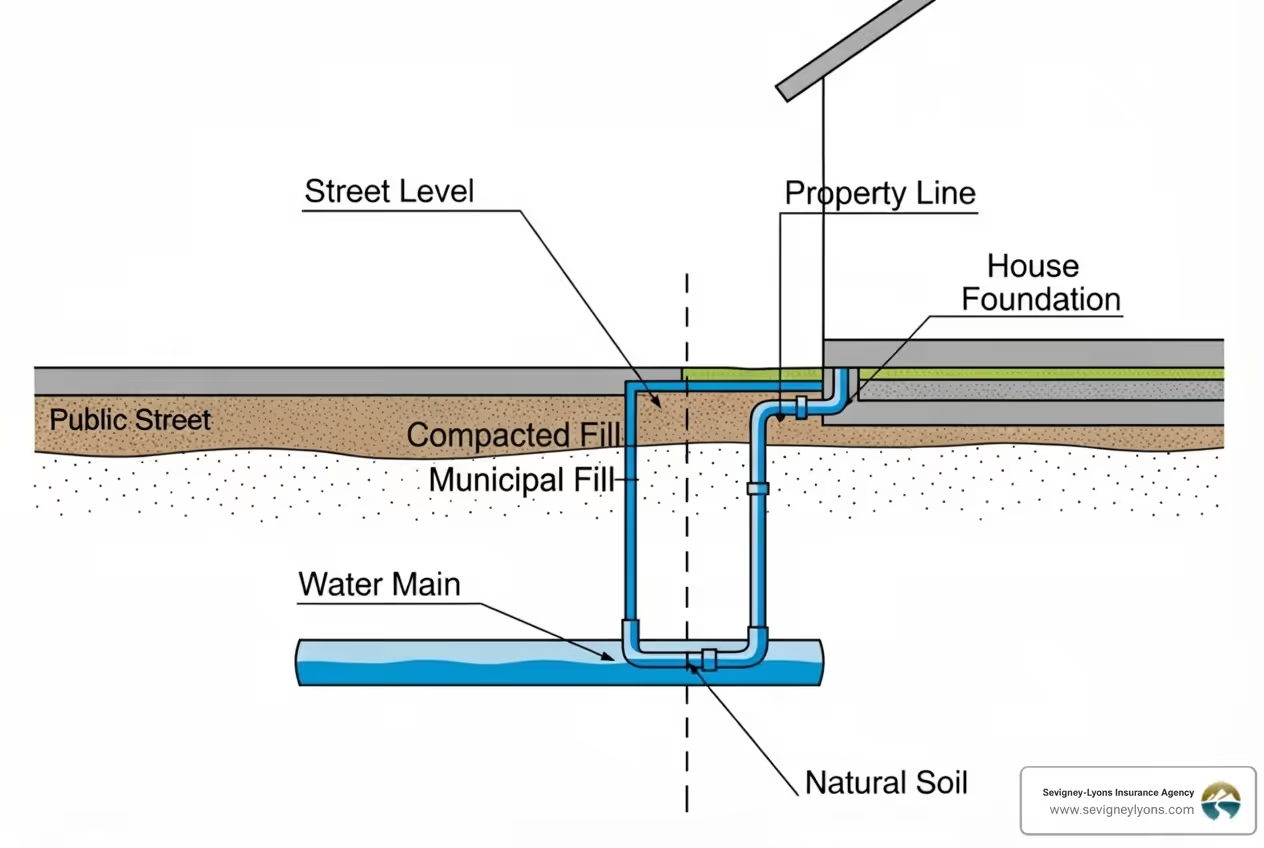
Generally, municipalities are responsible for maintaining the large water main infrastructure running under our streets in towns like Wells, Kennebunk, Ogunquit, and Biddeford. These are the public utilities that bring fresh water to our neighborhoods. However, your responsibility as a homeowner typically begins where your private service line connects to that main, often at the property line or water meter. If the break occurs on the municipal side, they are usually responsible for repairing the main itself. But what about the damage to your property? That's where things get complicated.
According to Maine public utility regulations, municipalities are generally not liable for water main breaks unless negligence can be proven. This means if the break was due to unforeseen circumstances or just general wear and tear, the property owner might be left to deal with the damage. We help Maine homeowners steer these complexities every day. For a broader understanding of your policy, explore homeowners insurance coverage in maine.
The City's Role vs. The Homeowner's Role
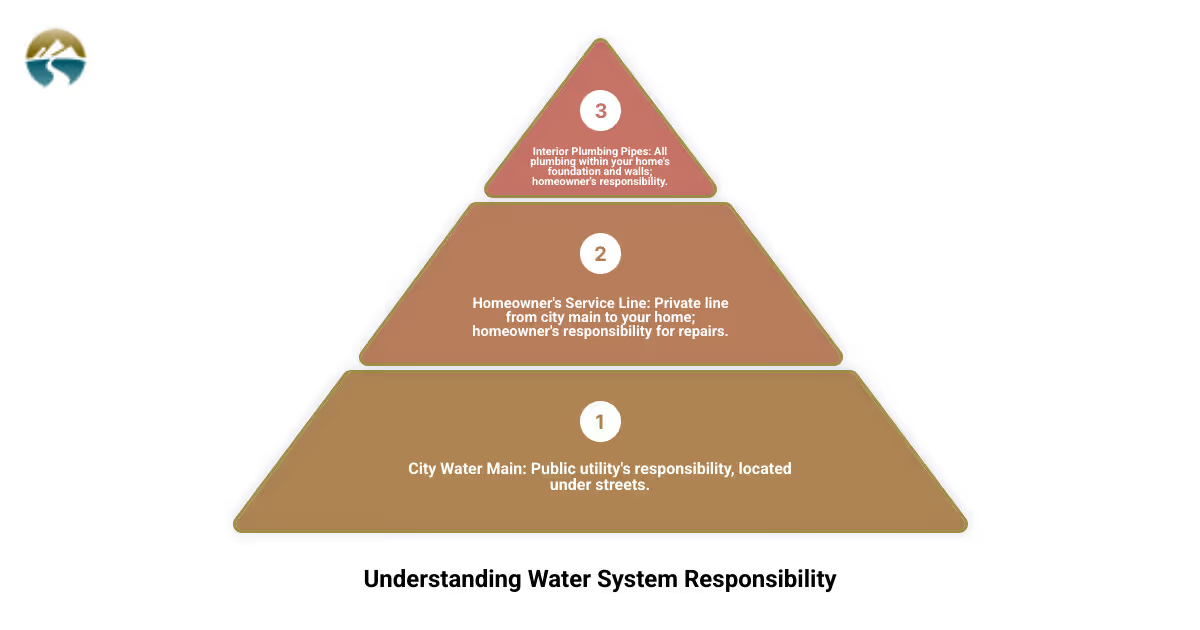
Let's clarify who owns what. The city or town (for instance, the Kennebunk Water District or Biddeford Public Works) owns and maintains the large water mains that supply water to an entire street or neighborhood. These are typically city-owned mains.
Your responsibility, however, extends to your private service line. This is the pipe that runs from the city's main to your house. Any issues with this service line—whether it's a leak, a break, or even excavation costs to find and fix it—are usually the homeowner's burden. Common causes for damage to these exterior pipes can range from tree roots growing into them to natural wear and tear, or even crushing by heavy equipment operating nearby. This distinction is crucial because your standard homeowners insurance policy probably doesn't cover the repair of this private service line itself.
When is the Municipality Considered Negligent?
Proving municipal negligence for a water main break is no easy feat. It's not enough for the water main to have simply broken; you often need to demonstrate that the municipality failed in its duty of care. This could involve documented neglect, such as ignoring prior complaints about a known issue with the main, or a failure to perform necessary maintenance that directly led to the break.
Without clear proof of negligence, the municipality might not be held liable for damages to your property. In some cases, local bylaws can even prevent lawsuits against municipalities for these types of incidents. If your property is damaged by a city water main break, your insurance company might try to recover costs from the municipality through a process called subrogation. This means your insurer pays your claim, then steps into your shoes to pursue the city for reimbursement, potentially even recouping your deductible. It's a complex legal dance, and the outcome is rarely guaranteed.
Does Homeowners Insurance Cover Water Main Damage in Maine?
This is the million-dollar question for many Southern Maine residents. While we've established that the repair of the actual water main or your private service line isn't typically covered by standard homeowners insurance, the damage caused by the water often is.
Most standard HO-3 homeowners policies, the most common type, are designed to cover sudden and accidental water damage from internal plumbing failures. This means if a pipe within your home bursts, or an appliance overflows, and the resulting water damages your walls, floors, or belongings, your policy will likely step in.
However, understand the exclusions. Standard policies usually do not cover damage from groundwater, seepage (water that slowly seeps through walls or foundations over time), or damage due to wear and tear. If the water main break causes water to come from the ground or under the ground, your basic policy might not cover it. The Insurance Information Institute reports that water damage costs homeowners an average of $13,954, highlighting just how expensive these incidents can be. For more statistics, refer to Facts + Statistics: Homeowners and Renters Insurance.
What Water Damage Is Typically Covered?
When it comes to water damage that is typically covered, your standard homeowners policy focuses on sudden and accidental events originating from within your home's structure or systems. Think of it this way: if the damage was unexpected and not due to your neglect, there's a good chance it's covered.
Here are common scenarios where your policy would likely respond:
- Burst Internal Pipes: If a pipe inside your walls, ceiling, or basement suddenly bursts, the resulting damage to your home's structure (drywall, flooring, insulation) and personal belongings is generally covered.
- Frozen Pipes (with caveats): For homeowners in Wells, Kennebunk, and other cold parts of Maine, frozen pipes are a real concern. If a pipe freezes and bursts, causing water damage, your policy will likely cover it, provided you took reasonable steps to prevent the freezing. This means maintaining heat in your home, especially when away, and insulating pipes in unheated areas. If it's deemed you were negligent (e.g., you turned off the heat in winter), coverage could be denied.
- Malfunctioning Appliances: A sudden leak from a malfunctioning dishwasher, washing machine, or hot water heater that damages your floors or cabinets is typically covered. However, it's important to note that your policy will cover the damage caused by the water, not the cost to repair or replace the faulty appliance itself.
- Water Damage from Fire Suppression: If your home catches fire, and the fire department's hoses or your sprinkler system cause water damage while extinguishing the blaze, this resulting water damage is usually covered under your policy.
Understanding these inclusions helps us understand how your policy works. For a more detailed breakdown, check out maine home insurance explained.
What Water Damage Is Usually Excluded?
While your standard homeowners policy offers protection against many water-related perils, it's equally important to understand what it doesn't cover. These exclusions are often where homeowners get caught off guard, especially when facing issues that might seem like they should be covered.
Common water damage exclusions include:
- Gradual Leaks and Slow Drips: If a faucet has been dripping for months, or a pipe has had a slow leak that you ignored, causing damage over time, your policy will likely deny the claim. This falls under preventable damage or lack of maintenance.
- Lack of Maintenance: This is a big one. If the damage could have been prevented by routine home maintenance (like replacing an old, corroded water heater hose or addressing a known roof leak), your insurer may deny the claim.
- Mold (unless from a covered peril): Mold can form within a day or two after water damage. While mold remediation can be covered if it stems directly from a covered water damage event (like a burst pipe), mold resulting from long-term humidity, gradual leaks, or flooding is generally excluded.
- Sewer Backup: If raw sewage backs up into your home from a city sewer line or your own septic system, this is almost always excluded from a standard policy.
- Sump Pump Failure: If your sump pump fails during a heavy rainstorm, leading to basement flooding, this is also typically not covered by a basic policy.
- Flood: This is perhaps the most significant exclusion. Damage from natural flooding—whether from a swollen river, heavy rainfall, or a storm surge—is not covered by standard homeowners insurance. We'll dive deeper into this next.
These exclusions highlight why simply asking "does homeowners insurance cover water main damage?" isn't enough. The specifics of how the water entered your home and what caused the break are critical.
The Critical Difference: Water Main Breaks vs. Flooding
This is one of the most confusing aspects of water damage coverage, and understand, especially in coastal Maine communities like Ogunquit. Many people mistakenly believe that if water enters their home from an external source, it's "flooding," and therefore not covered. While true for natural floods, the definition of a flood in insurance terms is very specific.
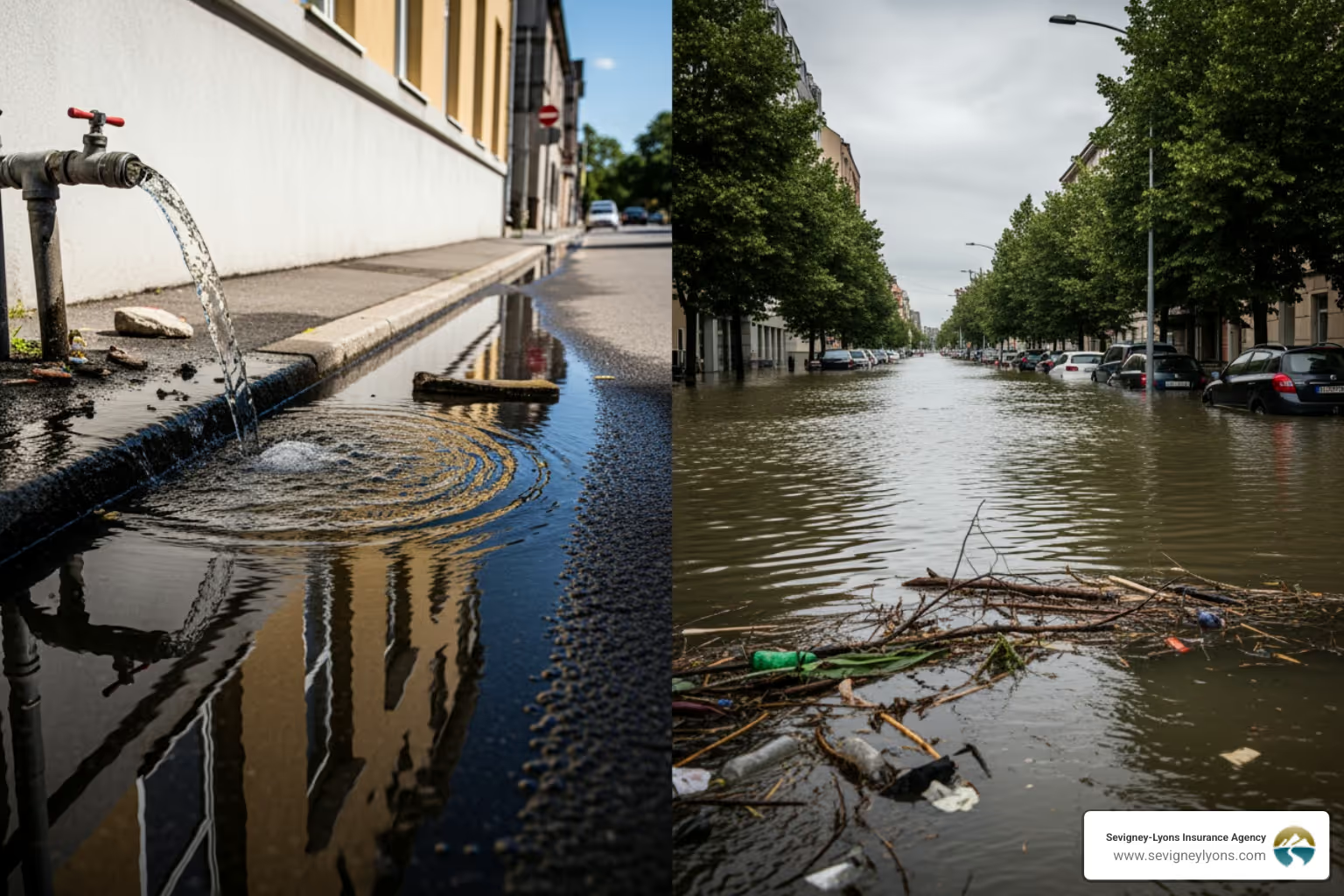
A "flood" is typically defined as a general and temporary condition of partial or complete inundation of two or more acres of normally dry land area or of two or more properties (one of which is yours) from:
- Overflow of inland or tidal waters.
- Unusual and rapid accumulation or runoff of surface waters from any source.
- Mudslides or mudflows.
Crucially, standard homeowners insurance policies almost always exclude flood damage. This means if a water main break causes widespread surface water inundation—effectively creating a flood condition—the resulting damage to your property would not be covered by your standard homeowners policy. For this, you would need a separate flood insurance policy, often available through the National Flood Insurance Program (NFIP) or private insurers. Unfortunately, only a small percentage of residents and businesses in Greater Portland (and by extension, other Southern Maine towns) purchase flood insurance, thinking they're not in an area susceptible to flooding. Learn more about What causes flooding? and how does flood insurance work in maine.
So, while a water main break might be the source of the water, if that water then spreads across the ground and enters your home, it can be classified as flood damage. This is a critical distinction that can leave homeowners in Ogunquit and beyond vulnerable if they don't have the right coverage.
Essential Endorsements to Cover Water Main Gaps
Given the limitations of standard homeowners policies, especially concerning water main breaks and external water sources, it's clear that some coverage gaps exist. Fortunately, you're not left without options! Insurance carriers offer specific endorsements, or policy riders, that you can add to your homeowners policy to fill these crucial gaps. These are highly recommended, especially for those concerned about whether does homeowners insurance cover water main related damage.
These endorsements can significantly increase your protection and provide peace of mind. We can help you explore these important additions to your policy. For more information on custom options, see maine home insurance coverage options.
Service Line Coverage
As we discussed, your standard homeowners policy won't cover the repair or replacement of your private service line—the pipe connecting your home to the municipal water main. This includes not just the water line, but often sewer, electrical, and other utility lines running underground on your property.
Service Line Coverage is a specialized endorsement designed to cover these exact costs. It typically covers:
- Repair of the service line itself: This is the big one, covering the actual pipe that broke.
- Excavation costs: Digging up your yard to access the broken line can be incredibly expensive. This coverage helps with those costs.
- Damage to other property: Sometimes, the excavation process can damage landscaping or driveways, and this coverage can help with those repairs.
Many Maine insurance companies, including some we work with, now offer underground service line coverage. These often come with coverage limits, such as $10,000, and a deductible, like $500. This is a relatively new and increasingly popular add-on that we highly recommend for homeowners in Wells, Kennebunk, and throughout Maine, where aging infrastructure and freezing temperatures can increase the risk of such breaks.
Water Backup and Sump Pump Overflow Coverage
This endorsement is different from flood insurance and covers a very specific type of water damage. It protects you if water (or sewage) backs up into your home through your sewers or drains, or if your sump pump fails and causes water to overflow.
Why is this important? Because a standard homeowners policy excludes these types of incidents. If a water main break causes pressure fluctuations or overload in the sewer system, leading to a backup into your basement, this endorsement would be your saving grace. It's often an inexpensive addition to your policy, but it provides crucial protection against a common and messy problem. It does not, however, cover damage from surface water inundation (which is flood damage). For a more comprehensive look at protecting your home, check out maine hazard home insurance.
What to Do After a Water Main Break Damages Your Property
Finding water damage from a water main break can be overwhelming, but acting quickly and systematically can make a huge difference in minimizing damage and ensuring a smooth claims process.
Here's a list of immediate steps you should take:
- Safety First: If water is near electrical outlets or appliances, turn off your home's main power supply if it's safe to do so. Avoid entering flooded areas if there's any risk of electrical shock.
- Shut Off Your Main Water Valve: This is crucial to stop more water from entering your home. Every homeowner in Maine should know where their main water shut-off valve is and how to operate it.
- Contact Your Utility Company: Report the water main break to your local municipal water department (e.g., in Wells, Kennebunk, or Biddeford). They are responsible for repairing the main.
- Mitigate Further Damage: Once the water source is stopped, do what you can to prevent more damage. This might include:
- Removing standing water using a wet/dry vacuum or sump pump.
- Elevating furniture and personal belongings off the floor.
- Opening windows and using fans or dehumidifiers to dry out the area.
- Making temporary repairs, like covering a broken window, if the water main break was caused by another covered peril (e.g., a storm). Keep receipts for any expenses.
- Document Everything: Take detailed photos and videos of all the damage before you start cleaning up. This visual evidence is invaluable for your insurance claim.
- Contact Us (Your Insurance Agent): As soon as it's safe, reach out to us at Sevigney-Lyons Insurance Agency. We'll guide you through the claims process, help you understand your coverage, and answer any questions about whether does homeowners insurance cover water main damage in your specific situation. We are here to help you understand your policy, including other common situations like burst pipes.
How can homeowners in Maine prepare for a potential water main break?
While you can't prevent a municipal water main from breaking, you can certainly prepare your home to mitigate the impact and ensure you're covered. For Maine homeowners, especially with our harsh winters, proactive steps are essential.
- Locating Your Shut-Off Valve: Knowing where your main water shut-off valve is and how to turn it off can save you a lot of grief (and water damage) if a pipe bursts or a water main breaks. Practice turning it off and on so you're not fumbling in an emergency.
- Backwater Valve Installation: A backwater valve is a device installed on your sewer line that prevents sewage from backing up into your home during heavy rains or municipal sewer issues. This is especially important if your home is at a lower elevation than the main sewer line.
- Sump Pump Maintenance: If you have a sump pump, ensure it's in good working order. Test it regularly, especially before rainy seasons or spring thaws. Consider a battery backup for power outages.
- Regular Plumbing Inspections: Periodically inspect your pipes for any signs of corrosion, leaks, or drips. Address small issues before they become big problems. For those in Wells, Kennebunk, Ogunquit, or Biddeford, insulate pipes in unheated areas like basements, crawl spaces, and attics. Maintaining your home's plumbing is a key part of protecting it. The Insurance Information Institute notes that performing regular home maintenance is the best way to prevent water damage.
- Winterize Your Home: Detach garden hoses, drain outdoor faucets, and ensure your home's heating system is functioning properly to prevent internal pipes from freezing and bursting.
Does negligence affect my claim if homeowners insurance cover water main damage?
Yes, absolutely. Negligence can significantly impact whether your claim for water damage, even from a water main break, is approved. Insurance policies are designed to cover sudden and accidental losses, not those that could have been prevented through reasonable care and maintenance on your part.
Here's how homeowner negligence might be defined:
- Failure to Maintain Heat: If your pipes freeze and burst because you turned off the heat in your home during a Maine winter, your insurer might consider this negligence and deny the claim for the resulting water damage.
- Ignoring Known Leaks: If you were aware of a slow leak or a plumbing issue but failed to address it, and that issue escalated into a major water damage event, your claim could be denied.
- Preventable Damage: Any damage that could have been reasonably prevented through routine home maintenance or by taking immediate action after finding an issue might fall under negligence.
The bottom line is that insurance companies expect you to be a responsible homeowner. While they cover unexpected events, they won't cover damages that arise from your failure to maintain your property or take reasonable preventative measures. This is why understanding your policy and staying on top of home maintenance is so crucial.
Frequently Asked Questions about Water Main Coverage
We often get specific questions from our clients in Southern Maine about water main breaks. Here are some of the most common ones:
Is the town of Wells or Kennebunk automatically responsible for damage from a broken water main?
No, municipalities in Maine are typically only responsible for the main line itself, and you often must prove their negligence caused the break for them to be liable for your property damage. You are responsible for the service line from the main to your home. Without proving negligence, your claim for property damage will likely need to go through your own insurance, if covered.
Does my standard homeowners policy cover the cost to repair the broken pipe itself?
Generally, no. A standard homeowners insurance maine 2025 guide policy is designed to cover the resulting damage to your home and belongings, not the cost to repair or replace the faulty pipe or appliance that caused the damage. Service Line Coverage is the endorsement needed for the pipe repair.
If a water main break floods my street and water enters my basement, is that covered?
This scenario is typically defined as a flood. Standard homeowners insurance excludes flood damage. You would need a separate maine flood insurance 2025 guide policy to have coverage for damage from overland flooding, regardless of the source. This distinction is critical, especially for homes in areas like Ogunquit that might be susceptible to surface water inundation.
Securing the Right Protection for Your Maine Home
The question of "does homeowners insurance cover water main damage?" is complex, with answers that depend heavily on the specifics of your policy, the cause of the break, and where the water originated. We've seen that standard policies often have significant gaps when it comes to external water main breaks, service line repairs, and flood damage.
For homeowners in Wells, Kennebunk, Ogunquit, Biddeford, and across Southern Maine, understanding these nuances is not just academic—it's essential for protecting your most valuable asset. Proactive home maintenance, coupled with the right insurance endorsements, can make all the difference.
At Sevigney-Lyons Insurance Agency, we pride ourselves on our deep community roots and decades of experience serving Maine families and businesses. We understand the unique risks our region faces, from harsh winters to coastal weather. We don't just sell policies; we provide custom solutions and expert guidance.
Don't wait for a water main break to find you have a coverage gap. Let us help you review your current policy, identify potential vulnerabilities, and explore endorsements like Service Line Coverage and Water Backup and Sump Pump Overflow Coverage. Together, we can ensure you have the most comprehensive protection for your Maine home.
Contact us today to find the best homeowners insurance coverage in Maine for your needs. We're here to answer your questions and provide peace of mind.