Blog Content
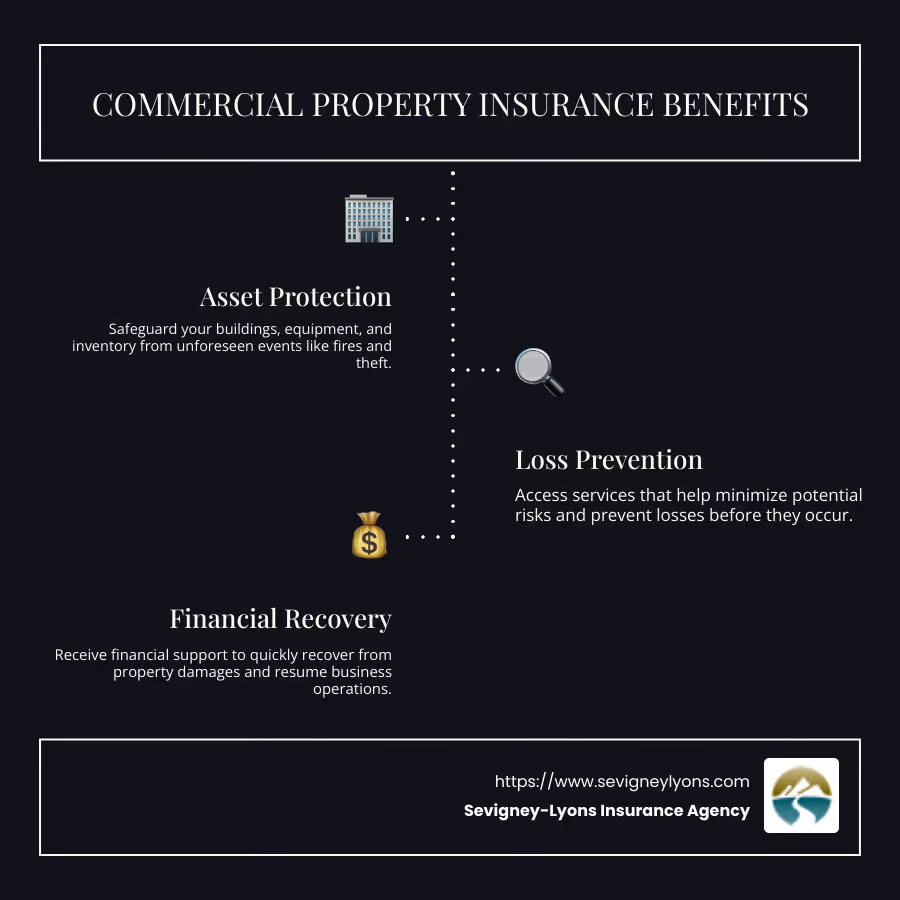
Commercial property insurance is a crucial part of safeguarding any business, especially for small business owners like Sarah Thompson in Southern Maine. This type of insurance protects the physical assets of your company from unpredictable events such as fires, theft, and vandalism, ensuring that your business can bounce back from these challenges quickly. For business owners in scenic towns such as Wells, Kennebunk, Ogunquit, and Biddeford, understanding the breadth of coverage commercial property insurance provides is key to maintaining peace of mind.
- Coverage Includes:
- Buildings and structures
- Office equipment and furniture
- Inventory and outdoor items
- Protection Offers:
- Loss prevention services
- Financial support for property damages
- Quick recovery assistance
Simply put, commercial property insurance is about more than just protecting a physical building. It’s about ensuring that your business operations continue smoothly without significant financial interruptions. Whether you operate a small boutique or a charming café in Maine, having the right coverage means you're prepared for both today's and tomorrow's challenges.
Basic commercial property insurance terms:
- commercial condo insurance coverage
- condo association insurance coverage
- condo insurance for landlords
Understanding Commercial Property Insurance
Commercial property insurance is like a safety net for businesses, especially in the vibrant communities of Wells, Kennebunk, Ogunquit, and Biddeford. It protects against various risks that could disrupt your business operations. Let’s break down what this insurance covers.
Property Damage
Imagine a storm sweeping through your area, causing significant damage to your storefront. Commercial property insurance steps in to cover the repair costs, ensuring your business can reopen quickly. It's not just about fixing the building; it also covers the contents inside, like equipment and inventory.
Business Interruption
If a fire or flood forces you to close temporarily, the financial impact can be severe. This insurance can cover the lost income during the downtime, helping you meet ongoing expenses like payroll and rent. It's like having a financial cushion that keeps your business afloat when disaster strikes.
Theft
Unfortunately, theft is a reality for many businesses. Whether it’s a break-in at your boutique in Ogunquit or stolen equipment from your office in Biddeford, commercial property insurance can help cover the losses. This means you can replace stolen items without a huge financial setback.
Liability
Liability coverage is essential for protecting your business from claims related to property damage or injury caused by your business operations. For example, if a customer slips and falls in your store, this insurance can help cover legal fees and medical expenses.
Worker Injury
While commercial property insurance primarily covers physical assets, it's important to complement it with workers' compensation insurance. This ensures that if an employee gets injured on the job, both they and your business are protected financially.
In Maine, where weather conditions can be unpredictable, having comprehensive coverage is vital. It ensures that businesses can recover quickly from unexpected events and continue serving their communities without interruption.
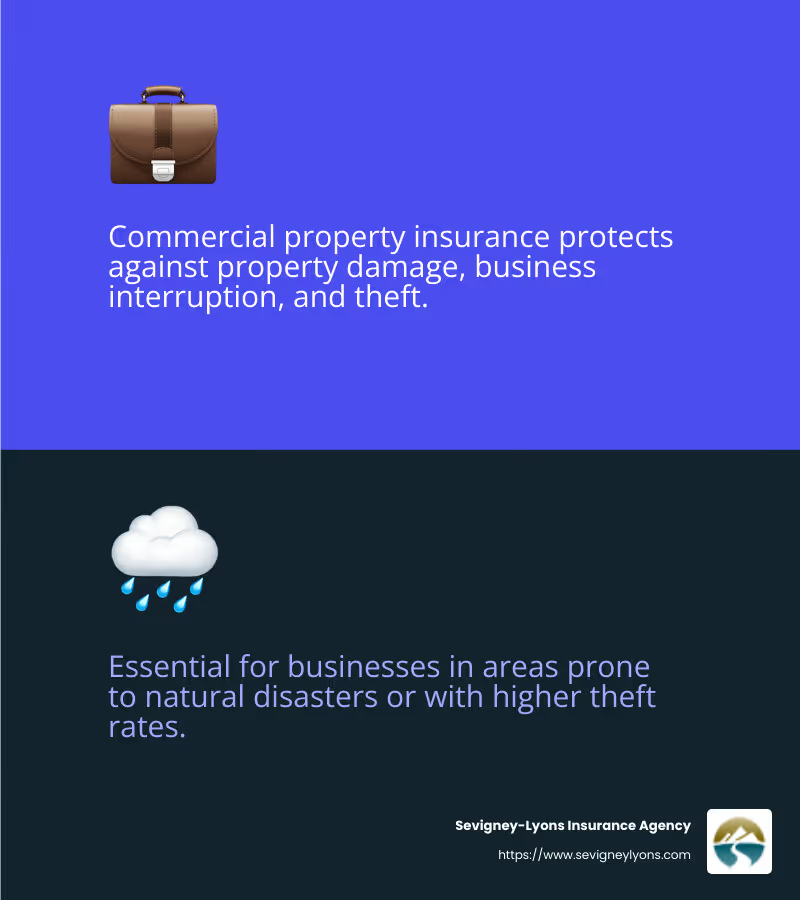
By understanding the different aspects of commercial property insurance, you can make informed decisions to protect your business and its future. This is especially critical in areas prone to natural disasters or with higher theft rates. Up next, we'll explore how this insurance works in different scenarios, like fire and natural disasters.
How Commercial Property Insurance Works
Commercial property insurance is crucial for protecting your business from unexpected events. Let's explore how it works in cases like fire, theft, and natural disasters, and how it covers both building and personal property.
Fire
Imagine a fire damaging your business in Kennebunk. The costs of repairing the structure and replacing damaged inventory can be overwhelming. Commercial property insurance covers these expenses, allowing you to rebuild without bearing the full financial burden.
Theft
Theft can be a significant concern for businesses in Biddeford and other areas. If someone breaks into your store and steals valuable equipment or merchandise, this insurance helps cover the replacement costs. This means you can get back to business quickly without a substantial financial setback.
Natural Disaster
In Maine, natural disasters like storms and floods can cause severe damage. If your business in Wells is hit by a storm, the insurance covers the repair costs for both the building and its contents. This ensures that you can resume operations as soon as possible, minimizing downtime.
Building and Personal Property Coverage
Building coverage protects the physical structure of your business, like walls, roofs, and fixtures. Whether it's a small office in Ogunquit or a larger facility in Portland, this coverage is essential for safeguarding your investment.
Personal property coverage extends to the items inside your building. This includes furniture, computers, and inventory. In the event of damage or loss, this coverage ensures you can replace these items without a significant financial strain.
Commercial property insurance acts as a financial shield, protecting your business from various risks. It allows you to focus on running your business, knowing that you're covered against potential losses.
Next, we'll dive into how insurance rates are calculated and what factors influence the cost of your coverage.
Calculating Maine Commercial Property Insurance Rates
When it comes to commercial property insurance, understanding how your rates are calculated can help you make informed decisions for your business in Southern Maine. Let's break down the key factors: insurance premiums, the value of the building, and the level of risk.
Insurance Premiums
Insurance premiums are the amounts you pay for your policy. These are not random numbers; they are carefully calculated based on several factors that assess the potential risk your property faces. The goal is to ensure that you have adequate coverage without overpaying.
Value of the Building
The value of your building plays a significant role in determining your insurance rates. If you own a high-value property in a busy area like Portland, your premiums might be higher due to the increased cost to repair or replace the building. Conversely, a smaller office in a quieter town like Ogunquit might come with lower premiums.
It's crucial to have an accurate assessment of your building's value. This ensures that in the event of a claim, you receive sufficient compensation to cover repairs or replacements.
Level of Risk
The level of risk associated with your property is another critical factor. For instance, if your business is located in an area prone to natural disasters, like the coastal regions of Maine, your insurance rates might be higher. This is because the likelihood of claims due to storm damage is greater.
Additionally, if your business involves activities considered high-risk, such as handling hazardous materials, expect this to impact your premiums. Insurers will assess how likely it is that you will make a claim and adjust your rates accordingly.
In Maine, proximity to essential services like fire stations can also influence your rates. A business in Kennebunk with easy access to fire protection might enjoy lower premiums compared to one in a more remote location.
Bringing It All Together
Understanding these factors can empower you to take steps to potentially lower your insurance costs. For example, installing security systems or fire alarms can reduce risk and, in turn, your premiums. Similarly, accurately valuing your property ensures you are neither over-insured nor under-insured.
By considering these elements, you can better manage your commercial property insurance costs and ensure that your business is adequately protected against unforeseen events.
Next, we'll explore the different types of coverage available within commercial property insurance and how they can benefit your business.
Types of Coverage in Commercial Property Insurance
When it comes to commercial property insurance, understand the various types of coverage available. Each type addresses different risks and liabilities your business might face. Let's explore the key coverages: general liability, bodily injuries, property damage, libel, and slander.
General Liability
General liability insurance is a fundamental component of commercial property coverage. It protects your business against a variety of claims that can arise during normal operations. This includes claims of bodily injury and property damage, which we'll discuss in more detail below. General liability coverage is crucial for businesses in Southern Maine, from the busy streets of Portland to the serene areas of Wells and Kennebunk.
Bodily Injuries
Accidents happen, and when they do, bodily injury claims can be costly. If someone is injured on your business premises, your commercial property insurance can cover medical expenses and legal fees. For example, if a customer slips and falls in your store in Biddeford, this coverage helps ensure you're not financially liable for their injuries.
Property Damage
Property damage coverage protects your business against losses due to damage to someone else's property. Imagine a scenario where a contractor accidentally damages a neighboring building while working on your premises in Ogunquit. This coverage would help cover the repair costs, preventing a significant financial setback for your business.
Libel and Slander
Businesses must be mindful of their public image and communications. Libel and slander coverage offers protection if your business is accused of making false statements that harm someone's reputation. For instance, if a competitor claims that your marketing materials contain defamatory information, this coverage can help cover legal defense costs.
By understanding these types of coverage, you can tailor your commercial property insurance policy to meet the specific needs of your business. Whether you're located in a busy city or a quiet town in Maine, having the right coverage can provide peace of mind and financial security.
Next, we'll answer some frequently asked questions about commercial property insurance, helping you steer this essential aspect of business protection.
Frequently Asked Questions about Commercial Property Insurance
What does commercial property insurance cover?
Commercial property insurance is designed to protect the physical assets of your business. This includes coverage for property damage caused by events like fire, storms, or vandalism. In Maine, where weather can be unpredictable, this coverage is crucial for safeguarding your business premises.
Beyond property damage, this insurance can also cover business interruption. If a covered event forces your business in Wells or Kennebunk to close temporarily, business interruption coverage can help replace lost income. This ensures you can continue to meet financial obligations even when operations are halted.
Theft is another risk covered under commercial property insurance. If your business in Biddeford falls victim to a burglary, this policy can help cover the cost of stolen goods and repairs.
Additionally, some policies offer liability coverage for incidents like worker injury. If an employee is injured on the job, this coverage can help with medical expenses and legal fees, protecting your business from significant financial strain.
How to calculate a commercial property insurance rate?
Calculating the rate for commercial property insurance depends on several factors. The value of the building is a primary consideration. Properties with higher values, like those in the heart of Portland, may have higher premiums due to the increased cost of potential claims.
The level of risk associated with your business also plays a role. For instance, a restaurant may face higher rates than an office due to the increased risk of fire or injury.
Insurance premiums can also be influenced by the location of your business. Buildings in areas with excellent fire protection, such as those near fire stations in Ogunquit, might enjoy lower premiums.
What does commercial general insurance cover?
Commercial general insurance is a broad form of coverage that includes protection against claims of bodily injuries and property damage. If someone is hurt on your premises or if your business operations cause damage to another property, this coverage can help pay for legal fees and settlements.
It also covers personal and advertising injuries, such as libel and slander. If a statement made by your business harms someone's reputation, this insurance can cover the costs of defending against such claims.
Understanding these coverage details helps ensure your business in Maine is well-protected against various risks. Whether you're dealing with property damage, business interruptions, or liability concerns, having the right insurance can provide peace of mind and financial stability.
Conclusion
At Sevigney-Lyons Insurance Agency, we understand that every business in Southern Maine is unique. That's why we offer custom insurance solutions custom to the specific needs of businesses in communities like Wells, Kennebunk, Ogunquit, and Biddeford. Our deep community roots and decades of experience allow us to provide personalized service that you can trust.
Choosing the right commercial property insurance is crucial for protecting your business assets and ensuring long-term success. With access to over 20 top carriers, we can help you find the coverage that best fits your needs, whether it's safeguarding against property damage, business interruption, or liability risks.
We believe in making the insurance process straightforward and stress-free. Our team is committed to guiding you through each step, ensuring you have the right coverage to protect what matters most.
If you're ready to explore your options for comprehensive condo building insurance in Maine, contact us today to learn more about how we can help secure your business's future. Let's work together to build a safer and more resilient business community in Southern Maine.