Blog Content
Why Home Insurance is Essential in the Pine Tree State
Home insurance Maine is a critical safeguard for protecting your most valuable asset, whether you own a historic home in Wells, a coastal property in Kennebunk, or a family residence in Biddeford. While Maine law doesn't require homeowners insurance, most mortgage lenders will mandate it—and for good reason.
Quick Answer: What You Need to Know About Home Insurance in Maine
- Average Cost: $1,180 per year (44% less than the national average)
- Is It Required?: Not by law, but mortgage lenders typically require it
- Main Risks: Winter weather, coastal storms, flooding, ice dams
- Key Coverage: Dwelling, personal property, liability, loss of use
- Special Needs: Flood insurance (separate policy), water backup coverage
- Homeownership Rate: Maine has the 4th highest in the nation at 74.9%
Maine homeowners face unique challenges throughout the year. Harsh winters bring frozen pipes, ice dams, and heavy snow that can damage roofs. Summer storms and coastal weather events threaten properties in communities like Ogunquit and other seaside towns. Your home insurance policy provides financial security when these risks become reality.
The financial stakes are high. Without proper coverage, a single winter storm or coastal flooding event could cost tens of thousands of dollars in repairs. Home insurance gives you peace of mind knowing that your investment is protected, your family has shelter if disaster strikes, and you won't face financial ruin from a covered loss.
Whether you're a first-time buyer in Portland or a long-time homeowner reviewing your current policy, understanding what you're buying matters. The right coverage protects not just your building, but also your belongings, provides liability protection if someone is injured on your property, and covers additional living expenses if you need to move out during repairs.
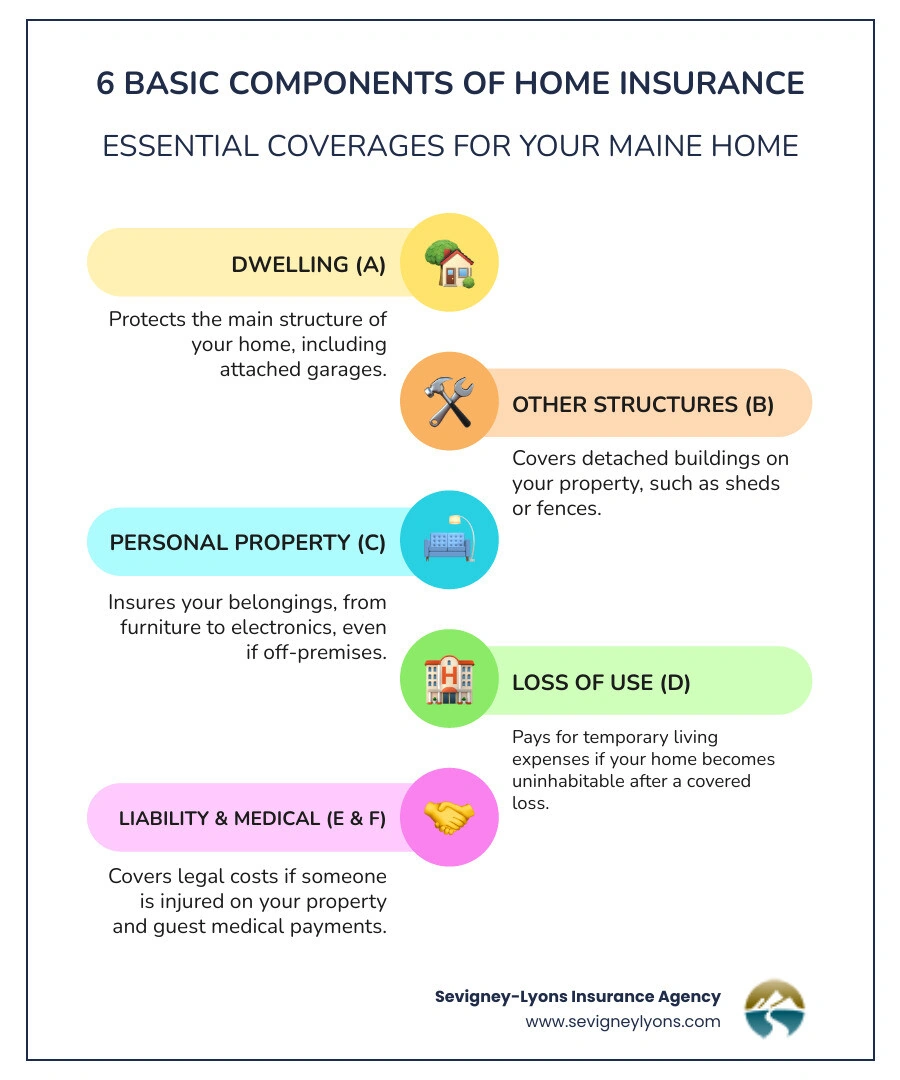
Easy home insurance Maine glossary:
Understanding Your Standard Maine Homeowners Policy
A standard home insurance Maine policy is more than just a piece of paper; it's a comprehensive package of coverages designed to protect your home and finances. Most residential policies in Maine, like in many other states, are written on an HO-3 form. This type of policy offers "open perils" coverage for your dwelling (meaning it covers everything unless specifically excluded) and "named perils" coverage for your personal belongings (meaning it only covers what's listed).
To truly understand what your policy entails, we always recommend reviewing the specific details with your agent. The Maine Bureau of Insurance also provides valuable resources to help you understand your policy: What the Policy Covers | PFR Insurance.
What's Typically Covered
Let's break down the typical components you'll find in a standard home insurance Maine policy:
- Dwelling Coverage (Coverage A): This is the core of your policy. It pays to repair or rebuild the physical structure of your home, including attached garages, decks, and permanently installed systems like plumbing, wiring, and heating, if they're damaged by a covered event. This coverage is crucial to ensure you can restore your home to its pre-loss condition.
- Other Structures (Coverage B): Your policy also extends protection to structures on your property that aren't attached to your main home. Think of detached garages, sheds, fences, and even swimming pools. If these are damaged by a covered peril, this portion of your policy can help with repair or replacement costs. The limits for this coverage are often a percentage of your dwelling coverage, but higher limits are usually available if needed.
- Personal Property (Coverage C): Your home is filled with personal belongings that make it yours – furniture, electronics, clothing, appliances, and more. Personal property coverage helps replace these items if they are lost, stolen, or destroyed due to a covered event. What's especially handy about this coverage is that it often applies even when your belongings aren't on your property, such as if they're in off-site storage or with a child at college.
- Loss of Use (Coverage D): Imagine your home in Kennebunk becomes uninhabitable after a fire or severe storm. Where would you go? Loss of use coverage, also known as Additional Living Expenses (ALE), steps in to cover the increased costs of living away from home while your property is being repaired. This can include hotel stays, meals, and other necessary expenses, commonly for up to 24 months.
- Personal Liability (Coverage E): Accidents happen, and sometimes they happen on your property. Personal liability coverage provides financial protection if someone is injured on your property and you are found legally responsible, or if you accidentally cause damage to someone else's property. This coverage can help with legal defense costs and settlement amounts, and it generally applies anywhere in the world.
- Medical Payments to Others (Coverage F): This coverage is designed to pay for smaller medical expenses for guests who are injured on your property, regardless of who is at fault. It's a goodwill gesture that can sometimes prevent minor incidents from escalating into larger liability claims.
For a deeper dive into these options, explore our guide on More on coverage options.
Common Exclusions: What's NOT Covered
While home insurance Maine offers broad protection, it's equally important to understand what a standard policy typically does not cover. Knowing these exclusions can help you identify gaps in your coverage and consider additional policies or endorsements.
Here are some common exclusions:
- Flooding: This is one of the most significant exclusions. Standard homeowners insurance policies explicitly exclude damage caused by floods, whether from heavy rains, snowmelt, coastal surges, or overflowing rivers. If you live in a flood-prone area in Wells or along the coast, a separate flood insurance policy is essential. We'll dig deeper into this shortly, but you can learn more about How flood insurance works in Maine.
- Earthquakes: Damage from earth movement, including earthquakes, is generally not covered by a standard policy. While Maine isn't known for frequent earthquakes, an endorsement can be added if this is a concern for you.
- Poor Maintenance: Your policy expects you to maintain your home. Damages resulting from neglect, wear and tear, or poor or deferred maintenance (e.g., a leaking roof that you knew about but didn't repair, leading to extensive water damage) are typically not covered.
- Pest Infestations: Damage caused by insects, rodents, or other pests is usually excluded, as it's considered a preventable issue through regular home maintenance.
- War and Nuclear Hazards: These catastrophic events are universally excluded from standard home insurance policies due to their scale and unpredictability.
Understanding these exclusions is critical for making informed decisions about your coverage needs.
Navigating Maine-Specific Risks and Coverage Needs

Living in the Pine Tree State means embracing its rugged beauty, but it also comes with unique challenges for homeowners. From harsh winters to coastal storms, home insurance Maine needs to be custom to address these specific risks. The type of risks your home faces can vary significantly whether you're inland in Biddeford or right on the coast in Ogunquit.
Winter Weather Perils
Maine's winters are legendary, and while beautiful, they can be brutal on homes. Your standard policy often provides coverage for many winter-related damages, but some specific issues require attention:
- Ice Dams: These form when melting snow refreezes at the edge of your roof, preventing proper drainage. Water can then back up under shingles and seep into your home, causing damage to ceilings, walls, and insulation. Home insurance Maine policies typically cover damage caused by ice dams.
- Frozen Pipes: With temperatures frequently dipping below freezing, frozen pipes are a common concern. If pipes freeze and burst, leading to water damage, your homeowner's insurance will generally cover the resulting damage, provided you maintained adequate heat in your home.
- Roof Damage from Heavy Snow and Sleet: The sheer weight of accumulated snow and ice can cause significant stress on roofs, leading to structural damage or collapse. Your policy usually covers this type of damage.
- Sleet and Wind Damage: Winter storms often bring strong winds and sleet, which can cause trees to fall on your home, damage siding, or break windows. These perils are typically covered under the dwelling portion of your policy.
For more details on how to protect your home against these seasonal threats, check out our guide on Maine home insurance for storm damage.
Coastal Storms and Flooding
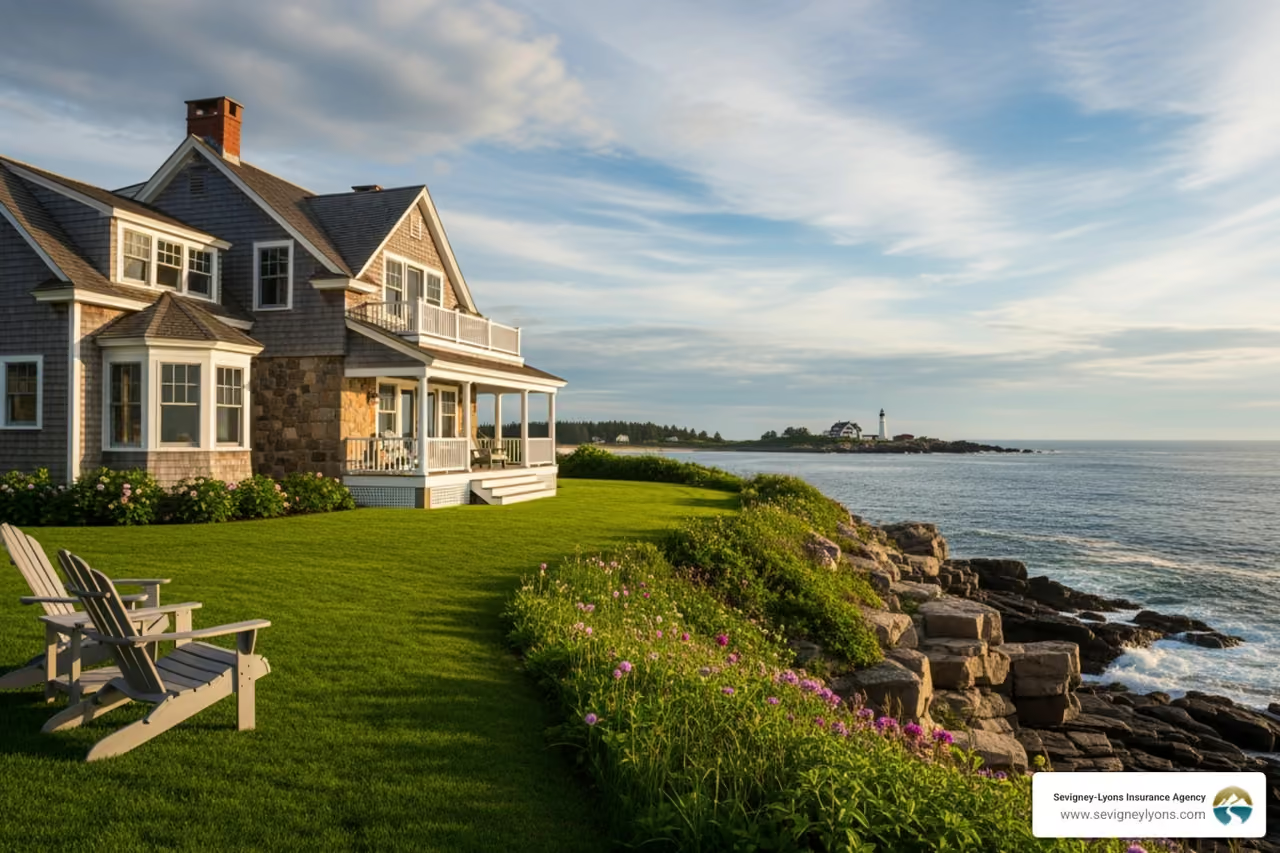
Maine's extensive coastline, from Wells to Kennebunk, is particularly vulnerable to coastal storms.
- Hurricanes and Nor'easters: While direct hurricane landfalls are less frequent than in southern states, Maine experiences the remnants of hurricanes and powerful Nor'easters that bring high winds, heavy rain, and storm surges. Standard policies usually cover wind and hail damage from these storms. However, be aware of hurricane deductibles, which are separate deductibles that apply specifically to hurricane-related damages. These can range from 1% to 10% of your dwelling coverage limit.
- Separate Flood Insurance Policy: As mentioned earlier, standard home insurance Maine does not cover flood damage. This is a critical distinction for homeowners, especially those near the coast or rivers in areas like Portland. Flood insurance is available through the National Flood Insurance Program (NFIP), administered by FEMA, and sometimes through private insurers. We strongly recommend considering flood insurance, even if you're not in a designated flood zone, as floods can occur anywhere. It's wise to check your flood risk using FEMA's flood maps. Flood insurance typically has a 30-day waiting period before coverage takes effect, so don't wait until a storm is imminent!
Recommended Endorsements for Maine Homes
To truly tailor your home insurance Maine policy to your specific needs, especially given the state's unique risks, certain endorsements (add-ons to your policy) are highly recommended:
- Water Backup and Sump Pump Overflow Coverage: This endorsement is invaluable in Maine. It protects against damage caused by water backing up through sewers or drains, or from water overflowing from a sump pump. Given the heavy snowmelt and rainfall, this can be a frequent and costly issue.
- Scheduled Personal Property for Valuables: If you own high-value items like jewelry, fine art, antiques, or collectibles, their coverage under a standard personal property limit might be insufficient. A scheduled personal property endorsement provides broader protection and higher limits for these specific items. We have more information on high-value jewelry insurance.
- Special Considerations: Homeowners of historic homes in charming towns like Kennebunk or Wells might need specialized coverage to account for unique construction materials and historical preservation requirements. Similarly, if you own a second home in Maine, whether for vacations or investment, you'll need a policy specifically designed for non-owner-occupied properties, which can have different risks and coverage needs.
The Cost of Home Insurance Maine: Rates and Savings
One of the first questions homeowners ask is, "How much will home insurance Maine cost me?" We're happy to report that Maine is generally one of the more affordable states for homeowners insurance. The average annual cost of home insurance in Maine is around $1,180 per year. This is significantly lower – about 44% less – than the national average, which is great news for homeowners in Portland, Biddeford, and other Maine communities! For example, the average annual rate for homeowners insurance in Portland is approximately $1,145.
For a more detailed look at costs, check out our guide on How much is Maine homeowners insurance?.
Key Factors Influencing Your Premium
While the state average is helpful, your individual premium for home insurance Maine will depend on a variety of factors unique to your home and situation:
- Home's Location: Where your home is situated within Maine plays a significant role. Coastal properties in Wells or Ogunquit, for instance, might have higher premiums due to increased risk from coastal storms and flooding compared to inland homes. Proximity to fire hydrants and fire departments also affects rates.
- Age and Construction: Newer homes often cost less to insure because they typically have modern building codes, electrical systems, and plumbing, reducing the risk of claims. The materials used in your home's construction (e.g., brick, wood frame) also influence the cost.
- Replacement Cost: This is the estimated cost to rebuild your home entirely from the ground up, not its market value. Insurers calculate this based on local construction costs, square footage, and unique features. The higher the replacement cost, the higher your dwelling coverage needs to be, which in turn affects your premium.
- Claims History: A history of past claims, both yours and potentially previous owners at the property, can lead to higher premiums. Insurers view multiple claims as an indicator of higher future risk.
- Credit-Based Insurance Score: In most states, including Maine, insurers use a credit-based insurance score to help set rates. This score is different from a traditional credit score but is derived from your credit history. Homeowners in Maine with poor credit, for example, pay an average of $2,085 per year, which is 77% more than those with good credit. Maintaining good credit can significantly lower your insurance costs.
- Coverage Limits and Deductibles: The amount of coverage you choose for your dwelling, personal property, and liability, along with your deductible amount, directly impacts your premium. Opting for higher coverage limits generally means a higher premium, while choosing a higher deductible (the amount you pay out-of-pocket before insurance kicks in) can lower your premium.
How to Find Affordable Home Insurance Maine
We understand that everyone wants to get the best value for their money. Here are some effective strategies to find affordable home insurance Maine without compromising on essential protection:
- Bundle Home and Auto Policies: One of the easiest ways to save is by bundling your home and auto insurance with the same carrier. Many insurers offer significant multi-policy discounts, sometimes saving you hundreds of dollars annually.
- Install Protective Devices: Homes equipped with security systems, fire alarms, smoke detectors, and carbon monoxide detectors often qualify for discounts. Some insurers offer substantial credits, especially for new homes with these features.
- New Home Credits: If you've recently purchased a newly constructed home, inquire about new home credits, which can offer a nice discount on your premium.
- Customer Loyalty Credits: Staying with the same insurer for several years can sometimes earn you loyalty discounts.
- Raise Your Deductible: If you're comfortable taking on more financial risk in the event of a claim, choosing a higher deductible can noticeably lower your annual premium. Just be sure you can comfortably afford your chosen deductible should you need to file a claim.
- Shop Around for Quotes: Don't settle for the first quote you receive. We, as an independent agency, can access quotes from multiple reputable carriers to compare coverage and pricing options for you. This is one of the most effective ways to ensure you're getting the best rate.
- Maintain Good Credit: As discussed, your credit-based insurance score impacts your rates. Keeping your credit healthy can lead to better premiums.
For even more money-saving strategies, visit our guide on Cheapest Maine home insurance tips.
How to Choose the Right Policy and Get a Quote
Choosing the right home insurance Maine policy can feel like a daunting task, but it doesn't have to be. Our goal is to simplify the process, helping you assess your needs, compare options, and secure the best protection for your home in Wells, Kennebunk, or anywhere else in Southern Maine.
Getting a Home Insurance Maine Quote
When you're ready to get a quote, having the right information on hand will make the process smooth and efficient:
- Gather Property Details: Be prepared with information about your home, including its age, square footage, construction materials (e.g., roof type, siding), number of bathrooms, any recent renovations, and specific features like a swimming pool or wood stove.
- Provide Personal Information: You'll need your name, address, and social security number (for credit-based insurance score checks).
- Understand Your Needs: Consider the value of your personal belongings. Do you have high-value items that might need extra coverage? What level of liability protection are you comfortable with? Thinking about these questions beforehand will help us tailor a policy to you.
- Compare Coverage, Not Just Price: While cost is important, it shouldn't be the sole factor in your decision. A cheaper policy might have lower coverage limits or more exclusions, leaving you vulnerable. We help you compare policies side-by-side, ensuring you understand the differences in dwelling coverage, personal property limits, and liability protection.
- Replacement Cost vs. Actual Cash Value: This is a crucial distinction.
- Replacement Cost coverage pays to rebuild or repair your home and replace damaged belongings with new items of similar quality, without deduction for depreciation. This is generally what we recommend for comprehensive protection.
- Actual Cash Value coverage pays the depreciated value of your damaged property. This means you'd receive less than the cost to replace new items, and you'd have to cover the difference yourself.
Our Policy comparison guide can provide further insights into making an informed decision.
The Role of the Maine Bureau of Insurance
The Maine Bureau of Insurance plays a vital role in protecting consumers and regulating the insurance industry within the state. They are an excellent resource for any homeowner seeking information or facing issues with their home insurance Maine policy.
- Consumer Protection: The Bureau oversees insurance companies and agents to ensure they comply with state laws and regulations, protecting consumers from unfair practices.
- Resource for Information: Their website provides a wealth of information about various types of insurance, including homeowners policies, disaster recovery, and storm damage. You can find their dedicated homeowners page here: Maine Bureau of Insurance Homeowners Page. They also offer general Auto & Homeowners Guides.
- Filing Complaints: If you have a dispute with your insurer or agent, the Bureau of Insurance is where you can file a formal complaint, and they can assist in mediating issues.
Unique Policy Considerations
Beyond the standard coverages and common risks, there are a few unique considerations that Maine homeowners, particularly those in our local communities, should keep in mind:
- Dog Breed Restrictions: This can be a surprising factor for many. Some insurance companies in Maine have specific dog breed restrictions and may deny coverage or charge higher premiums if you own certain breeds. It's important to be upfront about your pets when getting a quote to ensure your liability coverage is valid.
- Home-Based Business Endorsements: The charm of Maine often inspires entrepreneurial spirits, leading many to run businesses from their homes. A standard homeowners policy typically has very limited or no coverage for business equipment, inventory, or business-related liability. If you operate a home-based business in Biddeford or anywhere else, you'll likely need a specific endorsement or a separate business policy to protect your assets and operations.
- Coverage for Multi-Family Homes: If you own a duplex or a multi-family property, perhaps renting out a unit in Portland, your insurance needs will differ from a single-family home. You'll need specific coverage that addresses your responsibilities as a landlord, including liability for tenants and protection for the rented portions of the property. Learn more about multi-family homes coverage.
- Understanding Policy Endorsements: These are modifications or additions to your standard policy that either add or exclude coverage. Beyond water backup or scheduled personal property, other endorsements might be relevant based on your specific property or lifestyle, such as identity fraud expense coverage or earthquake coverage. Always discuss potential endorsements with your agent to ensure your policy truly meets your needs.
Conclusion: Partnering with an Expert for Your Maine Home
Navigating home insurance Maine can seem complex, with its unique weather challenges, diverse property types, and various coverage options. We've explored why this protection is so essential, what a standard policy covers (and doesn't), the specific risks Maine homeowners face, and how to manage costs effectively.
Your home in Wells, Kennebunk, Ogunquit, or Biddeford is more than just a structure; it's an investment, a sanctuary, and a place where memories are made. Protecting it with the right insurance isn't just a financial decision, it's about securing your peace of mind.
At Sevigney-Lyons Insurance Agency, we pride ourselves on our decades of experience and deep community roots in Southern Maine. As an independent insurance agency, we don't work for one company; we work for you. This allows us to access options from over 20 top carriers, steering you toward a custom solution that fits your specific needs and budget. We understand the nuances of insuring homes in our coastal towns and inland communities, ensuring you have comprehensive coverage against Maine's unique challenges.
Don't leave your most valuable asset to chance. Let us help you find the perfect home insurance Maine policy that offers robust protection and value. Contact us today to start a conversation about your home insurance needs and to receive a personalized quote. We're here to help you every step of the way.