Blog Content
Why Homeowners Insurance for Residential Property in Maine Deserves Your Full Attention
Getting the right homeowners insurance for residential property in Maine can feel overwhelming — especially when you're juggling seasonal weather risks, coastal exposure, and a tight budget.
Here's a quick answer for those comparing Maine residential insurance costs:
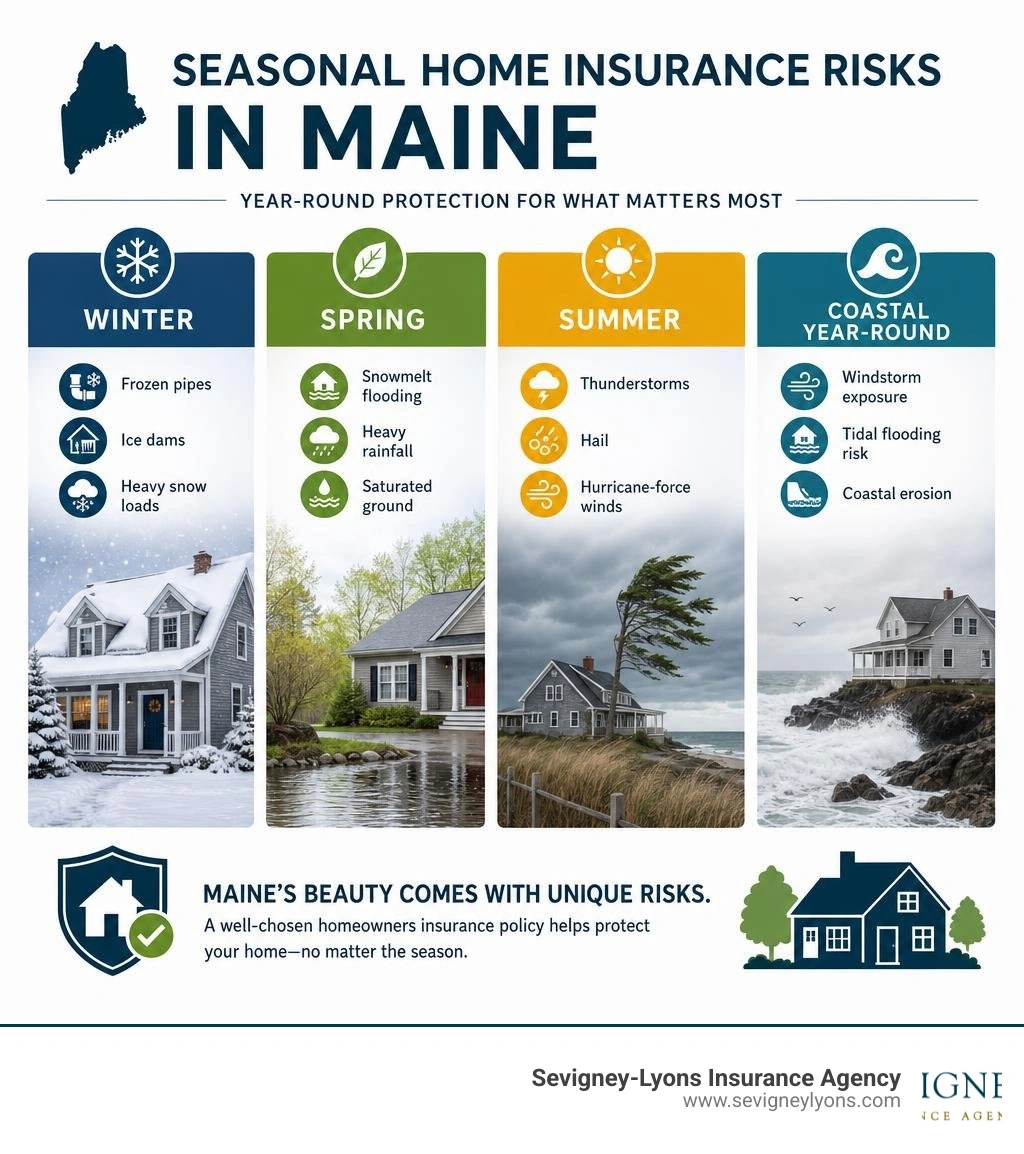
Maine is not a one-season state. Southern Maine towns like Wells, Kennebunk, Ogunquit, and Biddeford face a unique combination of risks year-round:
- Winter: frozen pipes, ice dams, heavy snow loads
- Spring: snowmelt flooding, heavy rainfall
- Summer: thunderstorms, hail, hurricane-force winds
- Coastal year-round: windstorm exposure, tidal flooding risk
Your home is likely your largest asset. And in a state where the weather can shift from a nor'easter to a summer squall in the same month, the wrong policy — or no policy at all — can leave you seriously exposed.
This guide breaks down what Maine homeowners actually pay, what's covered, what's not, and how to make sure you're not underinsured when it matters most.
Homeowners insurance for residential property in maine terms at a glance:
Cost and Requirements for Homeowners Insurance for Residential Property in Maine
When it comes to insuring your slice of the Pine Tree State, there is some genuinely good news. The average cost of homeowners insurance in Maine is $1,075 per year, which is approximately 44% lower than the national average.
However, averages can be incredibly deceiving. If you live inland, away from the brunt of the Atlantic's coastal winds, your rates might be even lower. But if you own a beautiful residential property right on the water in Kennebunkport, Ogunquit, or Wells, you are going to pay a premium for that gorgeous view.
To give you an idea of how geography shifts your insurance costs, let's look at a typical comparison of average premiums:
Whether you are looking for the Cheapest Home Insurance in Maine or simply trying to establish a reliable budget, understanding these regional pricing differences is step one. To explore how we can help you find highly competitive rates, check out our guide on Affordable Home Insurance in Maine.
Is Homeowners Insurance Required by Law in Maine?
Technically, no. The State of Maine does not have a law on the books requiring you to purchase a homeowners insurance policy. If you buy a home entirely with cash, you could legally choose to go bare and carry no coverage at all (though we highly advise against this unless you have a literal vault of gold coins to rebuild your home after a fire).
However, if you are like the vast majority of Mainers and use a mortgage lender to finance your home, homeowners insurance is absolutely required. Lenders want to protect their financial investment. If a fire levels your home in Biddeford, they want to make sure there is insurance money available to rebuild the structure.
For a deeper dive into how different policies stack up across the state, you can read the official Maine Bureau of Insurance Homeowners Policy Comparison or explore our breakdown of Maine Home Insurance Coverage Options.
Key Factors Influencing Your Homeowners Insurance for Residential Property in Maine Rates
Insurance companies do not pull rates out of a lobster trap. They use highly sophisticated underwriting guidelines to determine exactly how risky your home is to insure. Here are the primary factors that will drive your premium up or down:
- Location and ZIP Code: How close is your home to the ocean? Is there a local fire department nearby, or are you located miles from the nearest hydrant?
- Age of the House: Older homes—which are incredibly common in historic areas like Portland, Kennebunk, and Biddeford—often have older wiring, plaster walls, and plumbing systems that are more prone to failing.
- Construction Materials: Is your home wood-framed or built with masonry? Brick and stone homes often enjoy lower rates for fire coverage, while wood-framed homes are more flexible in windstorms but burn faster.
- Replacement Cost: This is the actual cost to rebuild your home from scratch using modern building codes and labor rates—not the market value of your home.
- Presence of a Swimming Pool: Pools are great for those three glorious weeks of hot Maine summer weather, but they represent a major liability hazard that requires higher liability limits.
- Home-Based Businesses: If you run a business out of your home, standard policies limit business property coverage (often to just $2,500 on-premises), meaning you may need a specialized endorsement.
To understand how these limits protect your property, read more about Maine Home Insurance Coverage Limits.
Available Discounts to Lower Your Premium
Just because you want top-tier protection doesn't mean you have to pay full price. There are several highly effective discounts we can help you apply to your policy:
- Bundling: Combining your home and auto policies with the same carrier is hands-down the easiest way to save, often cutting your premiums by 15% to 20%.
- Protective Devices: Installing smoke detectors, deadbolts, ring cameras, or a centrally monitored security and fire alarm system will trigger immediate discounts.
- New Home Discount: If your home was built recently, or if you've completely updated your electrical, heating, and plumbing systems, carriers will reward you with lower rates.
- Paperless Billing & Auto-Pay: Signing up for electronic policy delivery and automatic monthly bank transfers is a quick way to shave a few dollars off your bill.
Ready to see how many discounts you qualify for? You can easily request customized Maine Home Insurance Quotes through our local team.
Standard vs. Optional Coverages for Maine Homes
The most common type of homeowners insurance policy for a single-family residential property is the HO-3 Special Form. This policy is structured to provide broad, robust protection for your physical dwelling, while offering slightly more restricted coverage for your personal belongings.
To see the exact legal framework of how these policies are structured in our state, you can review the Maine Bureau of Insurance HO-3 Policy Specimen as well as the Standard Maine Policy Provisions.
Standard Coverages in a Maine Policy
A standard HO-3 policy is divided into several clear sections, each designed to protect a different aspect of your financial life:
- Coverage A (Dwelling): Covers the physical structure of your home, including attached garages, roofs, and built-in appliances.
- Coverage B (Other Structures): Covers detached structures on your property, such as sheds, fences, gazebos, or even a boathouse on the water. This limit is typically set at 10% of your Coverage A limit.
- Coverage C (Personal Property): Covers your personal belongings—furniture, clothes, electronics, and appliances—anywhere in the world.
- Coverage D (Loss of Use): If a covered disaster makes your home uninhabitable, this pays for your additional living expenses (like a rental home in Wells or hotel stays in Portland) for up to 24 months so you can maintain your normal standard of living.
- Coverage E (Personal Liability): Protects you financially if someone is injured on your property and sues you. This coverage applies globally.
- Coverage F (Medical Payments): Pays for minor medical bills if a guest is injured on your property, regardless of who was at fault.
For renters who only need to protect their personal belongings rather than the physical building, you can review the HO-4 Broad Form Specimen. To see how these standard coverages protect you this year, refer to our Homeowners Insurance Maine 2025 Guide.
Recommended Optional Coverages for Southern Maine Properties
While standard policies are great, they have notable gaps. For homeowners in Southern Maine, we strongly recommend considering these optional endorsements:
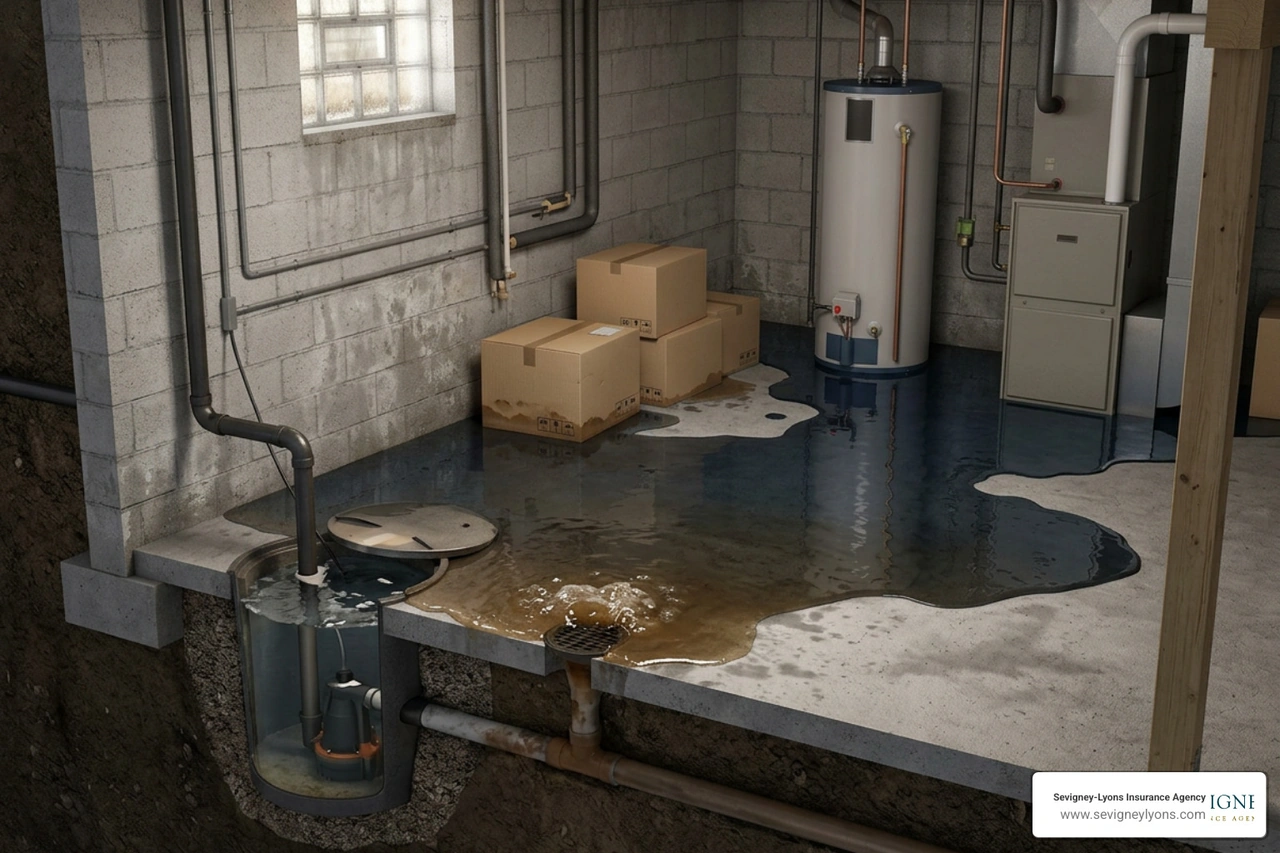
- Water Backup and Sump Pump Overflow: Standard policies do not cover water that backs up through sewers, drains, or overflows from a sump pump. If your basement in Biddeford floods during a spring storm because your sump pump failed, you will need this specific endorsement to pay for the cleanup and repairs. Learn more about protecting your home from seasonal storms in our guide to Maine Home Insurance for Storm Damage.
- Personal Property Replacement Cost: Standard policies pay out "Actual Cash Value" (ACV) for your belongings, which subtracts depreciation. If your five-year-old laptop is stolen, ACV might only pay you $150. Replacement Cost coverage bypasses depreciation to pay for a brand-new equivalent model.
- Equipment Breakdown Coverage: This covers the sudden, mechanical failure of major home systems like your HVAC, boiler, or smart home electronics, which are typically excluded from standard policies.
Covered Perils, Exclusions, and the 80% Rule
To truly understand your homeowners insurance for residential property in Maine, you have to understand the difference between open perils and named perils.
Under a standard HO-3 policy, your dwelling (Coverage A) is covered on an "open perils" basis. This means your home is covered against every possible cause of damage, except for a specific list of excluded events. Your personal property (Coverage C), however, is covered on a "named perils" basis, meaning it is only covered against the specific events listed in the policy (such as fire, lightning, windstorm, hail, and theft).
To read the exact policy language approved for use in Maine, you can view the Maine Homeowners Policy Form.
Common Exclusions and the Frozen Pipe Rule
No standard homeowners policy covers everything. The most common exclusions include:
- Flooding: Damage from rising surface water, tidal waves, or coastal storm surges is never covered. You must purchase a separate flood insurance policy.
- Earth Movement: Earthquakes, mudslides, and sinkholes require a specialized endorsement.
- Neglect and Maintenance: If your roof leaks because it is 30 years old and missing shingles, insurance will not pay to replace it.
The Frozen Pipe Rule (Crucial for Maine Homeowners!)
In Maine, winter freeze claims are incredibly common. However, your policy contains a strict condition regarding frozen pipes. If your pipes freeze and burst while you are away, the insurance company will only cover the damage if you can prove you used reasonable care to maintain heat in the building, or that you shut off the water supply and drained all systems and appliances.
This is particularly important for seasonal properties or second homes. If you own a summer cottage in Ogunquit that sits vacant all winter, make sure you read up on Maine Home Insurance for Second Homes to ensure your property remains fully protected.
What is the 80% Rule and How Does It Affect Loss Settlement?
The 80% rule is a fundamental insurance concept that many homeowners don't discover until they file a claim. Simply put, insurance companies require you to insure your home for at least 80% of its actual replacement cost (the cost to rebuild it, not its market value).
If you fail to meet this 80% threshold, the insurance company will penalize you on partial losses. Instead of paying the full cost to repair your damaged roof, they will only pay a prorated percentage of the claim, or the actual cash value of the damage, whichever is less.
Keeping your coverage limits aligned with shifting local construction costs in Southern Maine is vital. For advice on setting these limits, check out How to Choose Homeowners Insurance Coverage.
Dog Breed Restrictions and the Claims Process in Maine
Did you know that your choice of family pet can impact your homeowners insurance? According to the Maine Bureau of Insurance, several major insurance groups have underwriting guidelines that explicitly deny coverage or refuse to write policies if you own certain dog breeds (such as Pit Bulls, Rottweilers, or Dobermans) due to liability risks. However, other carriers do not use breed-specific exclusions. Working with an independent agency like us allows you to navigate these rules and find pet-friendly carriers that won't penalize your household.
The Claims Process: Your Duties After a Loss
If your residential property suffers damage, the clock starts ticking. To ensure your claim is settled smoothly, you must fulfill your policy duties:
- Give Prompt Notice: Report the loss to us or your carrier immediately.
- Protect the Property: Take reasonable steps to prevent further damage (like putting a tarp over a damaged roof or shutting off the water after a pipe bursts). Keep receipts for any temporary repair materials.
- Prepare an Inventory: Create a detailed list of damaged personal property, including photos, videos, and receipts if you have them.
- Show the Damage: Allow the insurance adjuster to inspect the damaged property before you begin permanent repairs.

For a localized look at managing property risks and claims in our neighboring areas, take a look at our Best Home Insurance Portland Guide.
Frequently Asked Questions
How Can I Find the Best Homeowners Insurance for Residential Property in Maine?
The best way to secure high-quality coverage at a fair price is to work with an independent insurance agency like Sevigney-Lyons. Unlike captive agents who can only sell policies from a single brand, we compare quotes from over 20 top-rated insurance carriers to find the perfect match for your specific home, budget, and lifestyle in Southern Maine.
Is flood damage covered under standard Maine home insurance?
No. Standard homeowners policies explicitly exclude damage caused by floods, surface water, waves, tidal water, and storm surges. If your home in Wells or Kennebunk is near the coast or in a low-lying area prone to spring snowmelt, you should consider purchasing a separate flood insurance policy through the National Flood Insurance Program (NFIP) or a private flood insurer.
What should I do if my pipes freeze during a Maine winter?
First, immediately shut off your main water valve to prevent further flooding when the pipes thaw. If safe to do so, call a licensed plumber to repair the break and take steps to dry out the area to prevent mold. Document everything with photos and contact us right away to file a claim. You must show that you maintained heat in the home to ensure the claim is covered.
Conclusion
Protecting your home in Southern Maine doesn't have to be a stressful guessing game. Whether you are living in a historic home in Biddeford, a coastal retreat in Ogunquit, a family estate in Kennebunk, or a cozy neighborhood in Wells, having the right homeowners insurance for residential property in Maine is what stands between you and financial ruin after a disaster.
At Sevigney-Lyons Insurance Agency, we are proud of our deep Southern Maine roots and our decades of experience helping local families safeguard their most valuable assets. Because we are an independent agency, we work for you, not the insurance companies.
Don't wait for the next winter storm or coastal gale to find out if you have the right coverage. Contact us today to review your current policy, identify any hidden gaps, and secure a tailored plan that gives you true peace of mind.
Ready to get started? Get a Free Quote today, or visit our Personal Insurance Wells Maine page to learn more about how we protect our community.