
Blog Content
Why Your Tools Deserve the Same Protection as Your Business
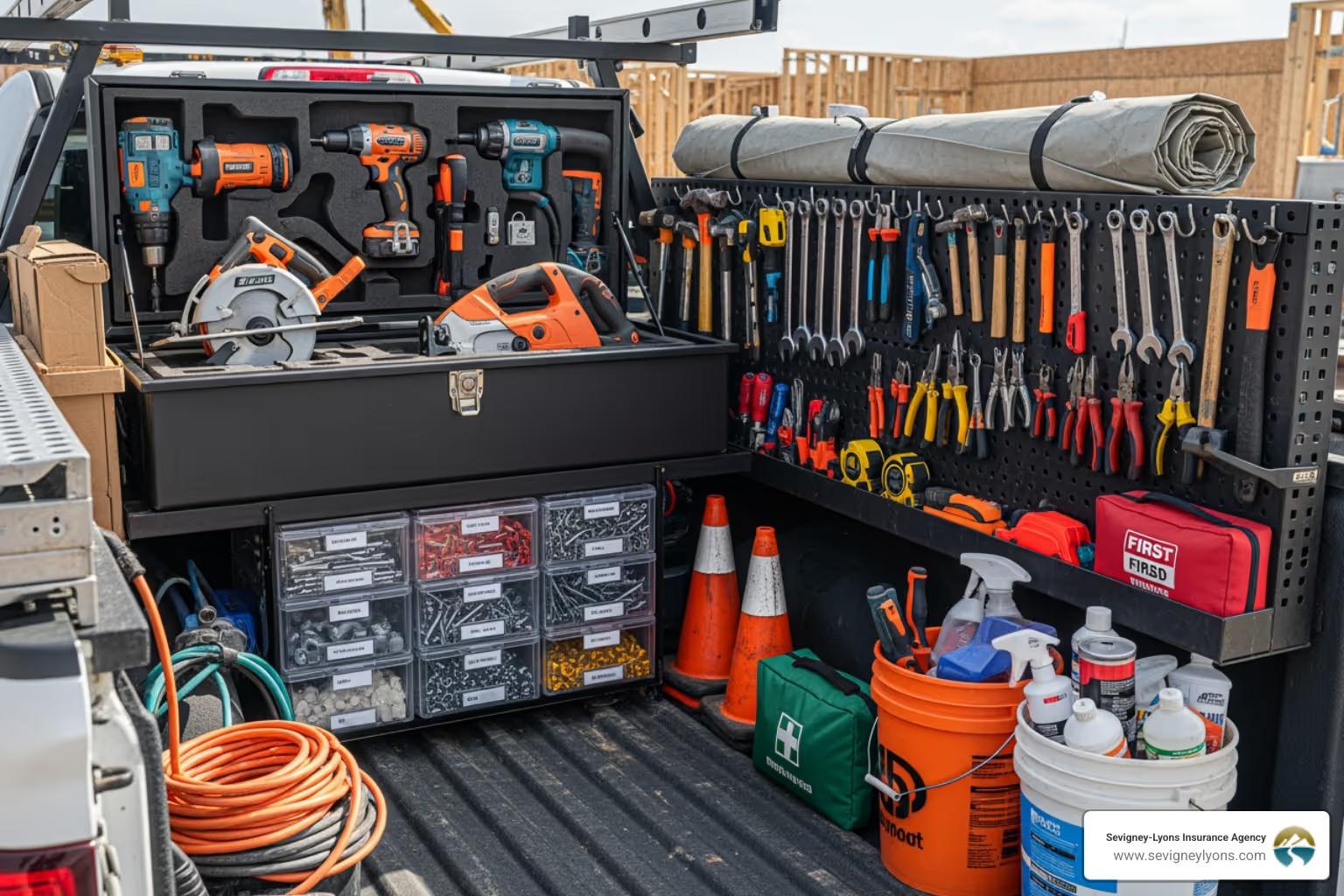
Tools Insurance for Contractors protects the equipment you rely on from theft, damage, and loss—whether your tools are on a job site, in transit, or stored overnight in your vehicle.
Quick Answer: What You Need to Know
- What it covers: Hand tools, power tools, and heavy equipment against theft, fire, vandalism, and accidental damage.
- Where it covers: On job sites, in your vehicle, in storage, and while in transit across Maine.
- Who needs it: Electricians, plumbers, carpenters, roofers, landscapers, and general contractors.
- Average cost: Around $14 per month for basic coverage, varying by tool value and trade.
- Key benefit: Repairs or replaces stolen or damaged tools so you can keep working without significant downtime.
As a contractor in Maine, your tools are your livelihood. A stolen toolbox from a job site in Wells, damaged equipment in Kennebunk, or vandalized machinery in Biddeford can mean weeks of lost income while you wait to replace what you've lost.
The stakes are high. Construction site theft is a billion-dollar problem annually, and recovery rates for stolen heavy equipment are dismally low. This isn't a distant threat; it affects contractors across Southern Maine.
Standard commercial property insurance typically only covers tools at a fixed location, like your shop. It won't protect them on the road or at a client's property. That's where specialized tools and equipment insurance fills a critical gap.
Why Maine Contractors Need Tools and Equipment Insurance
Your tools are what transform your skills into a paycheck. Whether you're wiring a home in Wells or replacing a roof in Kennebunk, losing your equipment to theft or damage means losing income. For many small contractors across Southern Maine, an unexpected loss can threaten the survival of their business.
The Rising Threat of Tool Theft
Tool theft is a growing epidemic. Construction site theft costs the industry up to $1 billion annually, with thieves targeting valuable, easy-to-sell equipment. Industry reports show this problem is getting worse. A stolen toolbox from a job site in Wells or vandalized equipment in Biddeford translates directly to missed deadlines and frustrated clients.
Protecting Your Most Valuable Assets
Your tools face risks daily, from theft and vandalism to fire and accidental damage. This is where Tools Insurance for Contractors becomes essential. Often called inland marine insurance, it's designed to protect your property while it's on the move.
Standard commercial property insurance only covers items at a fixed location, like your office or shop. The moment your tools leave, that coverage stops. Inland marine insurance fills this gap, protecting your tools wherever they go—at job sites, in transit, or stored in your vehicle. This mobile protection is a key component of Artisan Contractors Insurance Coverage.
Going without this coverage can lead to:
- Financial Strain: Replacing expensive equipment out-of-pocket can drain your savings and halt your business.
- Project Delays: Waiting for replacement tools affects your clients, your schedule, and your ability to take on new work.
- Reputation Damage: Missed deadlines can harm the professional reputation you've worked hard to build in Maine communities.
Who Benefits Most from This Insurance?
This coverage is critical for any trade that relies on specialized, mobile equipment.
- Electricians: Protect expensive testers, benders, and power tools. Learn more at Insurance for Electricians Maine.
- Plumbers: Cover costly pipe threaders, drain snakes, and diagnostic equipment.
- Carpenters: Insure saws, drills, and nail guns that are essential for framing and finishing.
- Landscapers: Protect mowers, trimmers, and blowers that move between properties daily.
- Roofers: Secure specialized nail guns, tear-off tools, and safety gear. See our Insurance for Roofing Contractors Maine guide.
- General Contractors, Painters, and HVAC Techs: Cover the wide variety of tools and machinery you use to earn your living.
How It Differs from Commercial Property Insurance
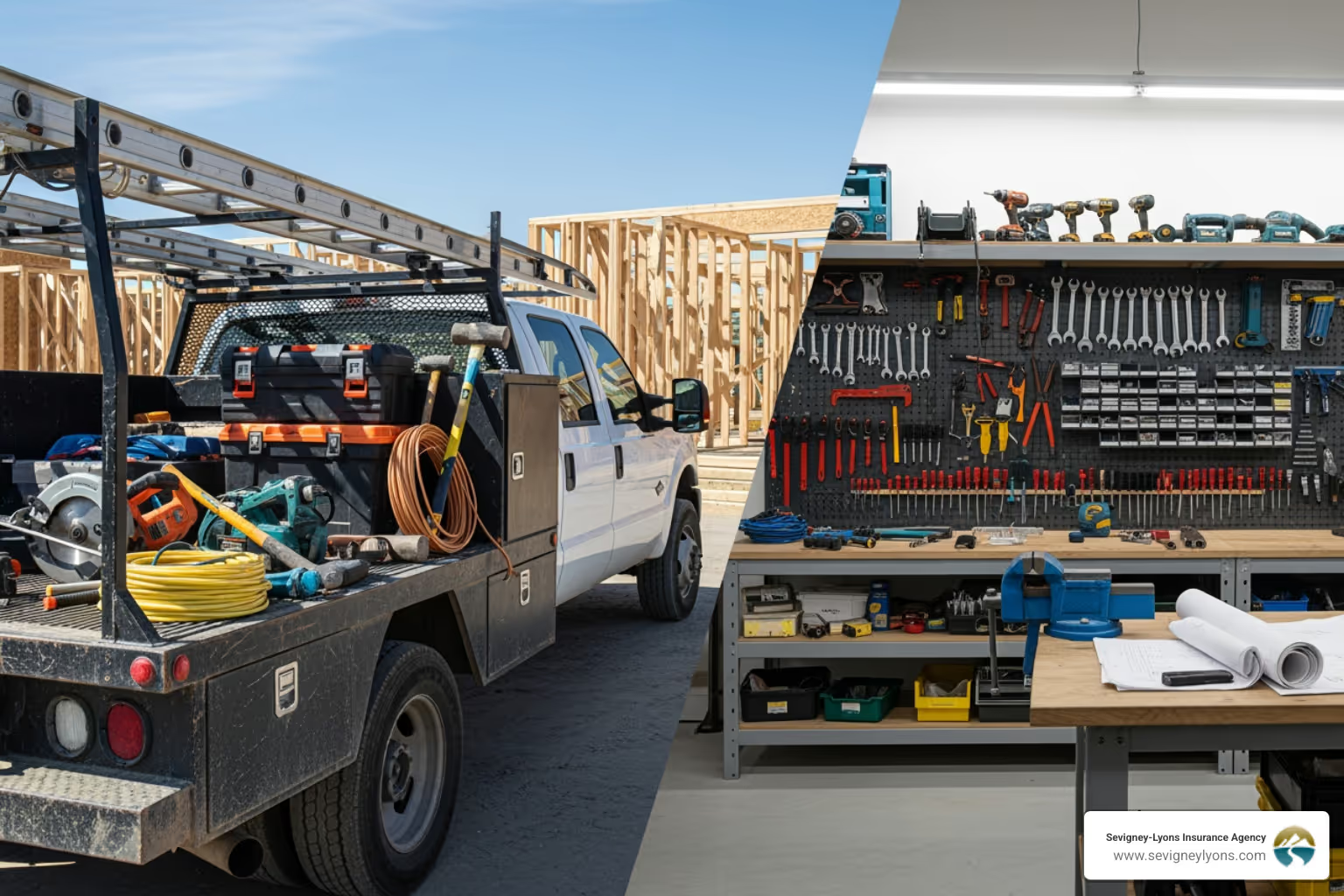
It's a common mistake to assume commercial property insurance covers all your tools. That policy protects property at a fixed commercial location, like your workshop in Biddeford. For a deeper dive, read our Commercial Property Insurance Guide.
Tools Insurance for Contractors is designed for property on the move. It covers your equipment when it's in transit, at a job site in Ogunquit, or stored in your truck. Your standard policy won't follow your tools around Southern Maine, but tools insurance does. Think of it as protecting your home base vs. protecting everything you take on the road. Most contractors need both for complete protection.
Decoding Your Coverage: What's Included and Excluded
Understanding what your Tools Insurance for Contractors covers is essential. Most policies are written on an "all-risk" basis, meaning they cover everything unless it's specifically listed as an exclusion. When we secure your policy at Sevigney-Lyons, we explain your coverage in plain English to ensure it aligns with the real-world replacement cost of your equipment.
What Tools and Equipment Are Typically Covered?
This insurance offers broad protection for the gear you need to run your business, from a carpenter's van in Kennebunk to an electrician's diagnostic tools in Wells.
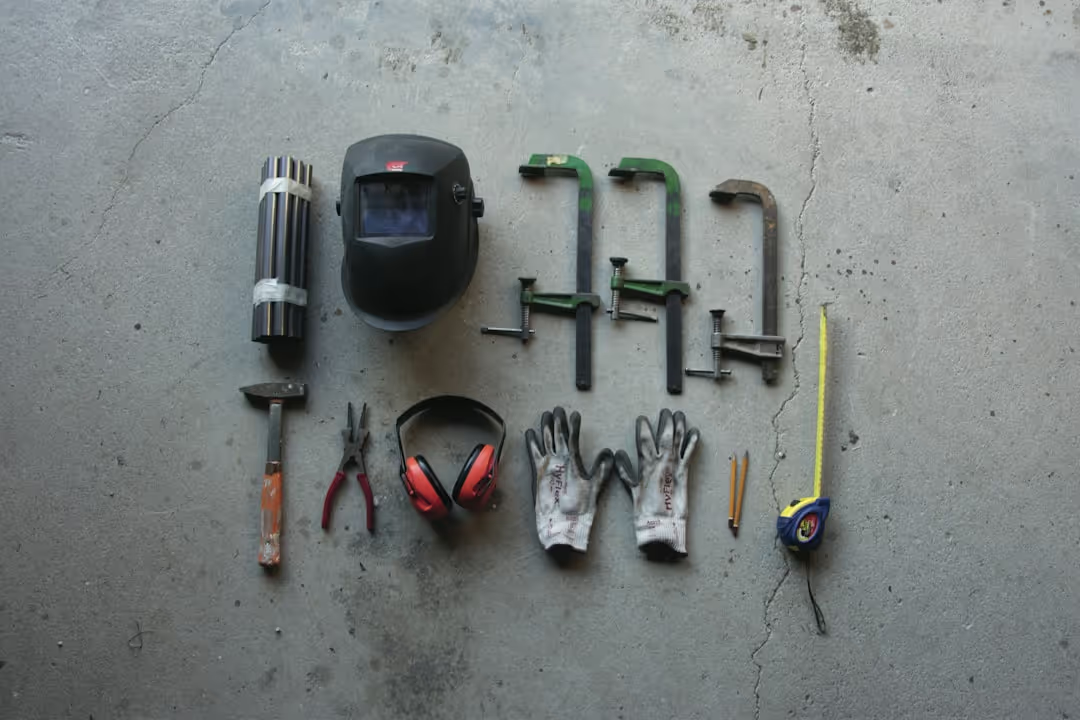
- Hand and Power Tools: Your entire arsenal, from wrench collections to miter saws, drills, and air compressors. These are often the most valuable and most targeted items for theft.
- Leased or Rented Equipment: Coverage can extend to machinery you rent for specific projects, protecting you from liability if it's damaged or stolen.
- Employee Tools: Can be covered while used for your business, a valuable benefit for trades where workers supply their own gear.
- Mobile Machinery: Includes big-ticket items like excavators, skid steers, bulldozers, and generators. This coverage works alongside Builders Risk Insurance Maine, which protects the structure under construction.
- Safety and Measurement Gear: Specialized harnesses, fall protection systems, laser levels, and GPS equipment are all covered.
The goal is simple: if something happens, you can replace your gear quickly and get back to work.
Common Exclusions in a Tools Insurance for Contractors Policy
While coverage is broad, some things are not included. Understanding these helps you avoid surprises.
- Normal Wear and Tear: Insurance is for sudden, unexpected losses, not the gradual deterioration from everyday use.
- Mechanical or Electrical Breakdown: Internal failure of a tool isn't covered unless caused by an external event like a fire or drop. Separate equipment breakdown coverage is available for this.
- Intentional Damage: Deliberately damaged property is never covered.
- Rust, Corrosion, and Mold: Damage from neglect or improper storage (like leaving tools out in a harsh Biddeford winter) is excluded.
- Damage During Use: Some policies exclude damage from operator error while a tool is in use. We will clarify this detail for your specific policy.
- Unsecured Property: This is a critical one. If tools are stolen from an open uped truck or an open job site with no sign of forced entry, the claim may be denied. Always lock up your equipment.
- Obsolete Equipment: Very old tools may receive a depreciated payout or none at all.
- Building Materials: Lumber, pipes, and wires are typically covered by a different policy, like an installation floater or Business Property Insurance Maine.
Customizing Your Tools Insurance for Contractors Policy
Your business is unique, so your insurance should be too. We work with you to build a Tools Insurance for Contractors policy that fits your specific operation, whether you're a roofer in Wells or a carpenter in Kennebunk. This insurance is flexible, not a one-size-fits-all product.
Your policy should also grow with your business. We recommend an annual review to ensure your coverage keeps pace as you invest in new equipment or expand your services.
Here's a comparison of two key decisions you'll make when customizing your policy:
Scheduled vs. Blanket Coverage
This choice directly affects how much you'll receive in a claim.
Scheduled coverage is for protecting your most valuable assets with precision. If you own a $25,000 excavator or a $4,000 laser level, you'll want these items listed individually on your policy with their own coverage limit. This ensures you know exactly what you're covered for.
Blanket coverage simplifies things for all the smaller tools that add up. Your hand tools, drills, and saws can be covered under a single, overall limit (e.g., $15,000) without listing each one. Most contractors in Southern Maine use a combination of both for optimal protection.
Replacement Cost (RC) vs. Actual Cash Value (ACV)
This choice determines whether you get enough money to buy a new tool or just what your old one was worth.
Replacement cost (RC) coverage is the "new for old" option. If your five-year-old miter saw is stolen in Biddeford, you get enough money to buy a new one. This is best for newer equipment (less than five years old) and helps you get back to work without dipping into savings, though premiums are higher.
Actual cash value (ACV) coverage pays the current market value of your equipment, factoring in depreciation. For that same saw, you'd get what a used five-year-old model is worth. Premiums are lower, but you'll likely have out-of-pocket costs for a new replacement. ACV can be a cost-effective choice for older, already depreciated equipment.
The Financials: Policy Costs and Making a Claim
Let's cover the practical side of Tools Insurance for Contractors: what it costs and how to use it. At Sevigney-Lyons, we believe in being upfront about costs and making the claims process as painless as possible for businesses in Wells, Ogunquit, and across Southern Maine.

Factors Influencing Your Insurance Cost
Protecting your tools is affordable, with basic coverage often starting around $14 per month. Your actual premium will depend on several factors:
- Total Value of Tools: The higher the value of your equipment, the higher the premium.
- Your Specific Trade: Some trades use more expensive, specialized gear, which costs more to insure.
- Claims History: A history of multiple claims can increase your rates.
- Coverage Limits and Deductibles: Higher limits increase premiums, while a higher deductible (your out-of-pocket share) can lower them.
- Security Measures: Insurers often reward contractors who use locked storage, alarm systems, and GPS tracking with lower premiums.
For more context on business insurance costs, see our guide on Maine Business Liability Insurance Cost.
Bundling Policies for Savings and Simplicity
Bundling your tools insurance with other business policies is a smart move. It simplifies management and can often lead to savings. Popular options to bundle include:
- Business Owner's Policy (BOP): Combines general liability, commercial property, and business interruption coverage.
- Commercial General Liability: Your CGL Insurance Maine protects you from third-party property damage or injury claims.
- Commercial Auto Insurance: Protects the trucks and vans that are essential to your work. See our Commercial Auto Insurance for Contractor guide for details.
Bundling gives you one bill, one renewal date, and helps reduce coverage gaps.
How to Make a Claim
Knowing the steps ahead of time makes a stressful situation more manageable. If you need to file a claim, we'll be right there to help.
- Ensure Safety First: If anyone is injured or there's an ongoing danger, address that before anything else.
- Document Everything: Take photos or videos of the damage or theft scene. Note the date, time, and location.
- File a Police Report (for Theft): This is required by insurers. Get a copy of the report from the local police in Wells, Ogunquit, or wherever the theft occurred.
- Contact Us Immediately: Timely reporting is crucial. Call Sevigney-Lyons as soon as possible so we can guide you through the process.
- Provide Proof of Ownership: An up-to-date inventory list with serial numbers, purchase dates, and receipts is invaluable. Digital copies are best.
- Cooperate with the Adjuster: The insurance adjuster will investigate the claim. Provide all requested documents and answer their questions to verify the loss.
- Review the Settlement: Once the investigation is complete, we'll help you review the settlement offer to ensure it's fair and reflects your policy terms (RC vs. ACV).
Conclusion: Secure Your Livelihood with the Right Coverage
Your tools are the foundation of your livelihood, representing a significant investment in your ability to serve clients across Maine. From projects in Portland to Wells, your equipment makes it all possible. That's why Tools Insurance for Contractors isn't just an expense—it's a safety net that keeps your business running when the unexpected happens.
This specialized insurance fills the critical gaps left by standard policies, protecting your tools on job sites in Kennebunk, in transit, or in your vehicle. By customizing your policy with options like scheduled vs. blanket coverage and replacement cost vs. actual cash value, you get the precise protection your business needs.
Don't let a theft in Ogunquit or damage in Biddeford halt your projects and lead to lost income. With the right coverage, you can replace your equipment quickly and keep your business on track.
At Sevigney-Lyons Insurance Agency, we have spent decades protecting Maine contractors. Our deep roots in Southern Maine mean we understand the unique challenges you face. As an independent agency, we shop the market to find you the best coverage at a competitive price.
Local expertise matters. As your neighbors, we take the time to understand your operation and craft a protection strategy that provides true peace of mind.
Ready to protect the tools that power your business? Get a quote for the Best Maine Artisan Contractors Insurance today. Let's build a solid foundation of protection for your business, so you can focus on what you do best.


