Blog Content
The Alarming Rise of Vehicle Theft: A Threat in Maine and Across the Nation
Protect your vehicle from theft by using a layered security approach that combines smart parking habits, physical deterrents, and modern technology. Here are the essential steps:
- Lock your doors and close all windows - even for short stops
- Park in well-lit, busy areas or in a garage whenever possible
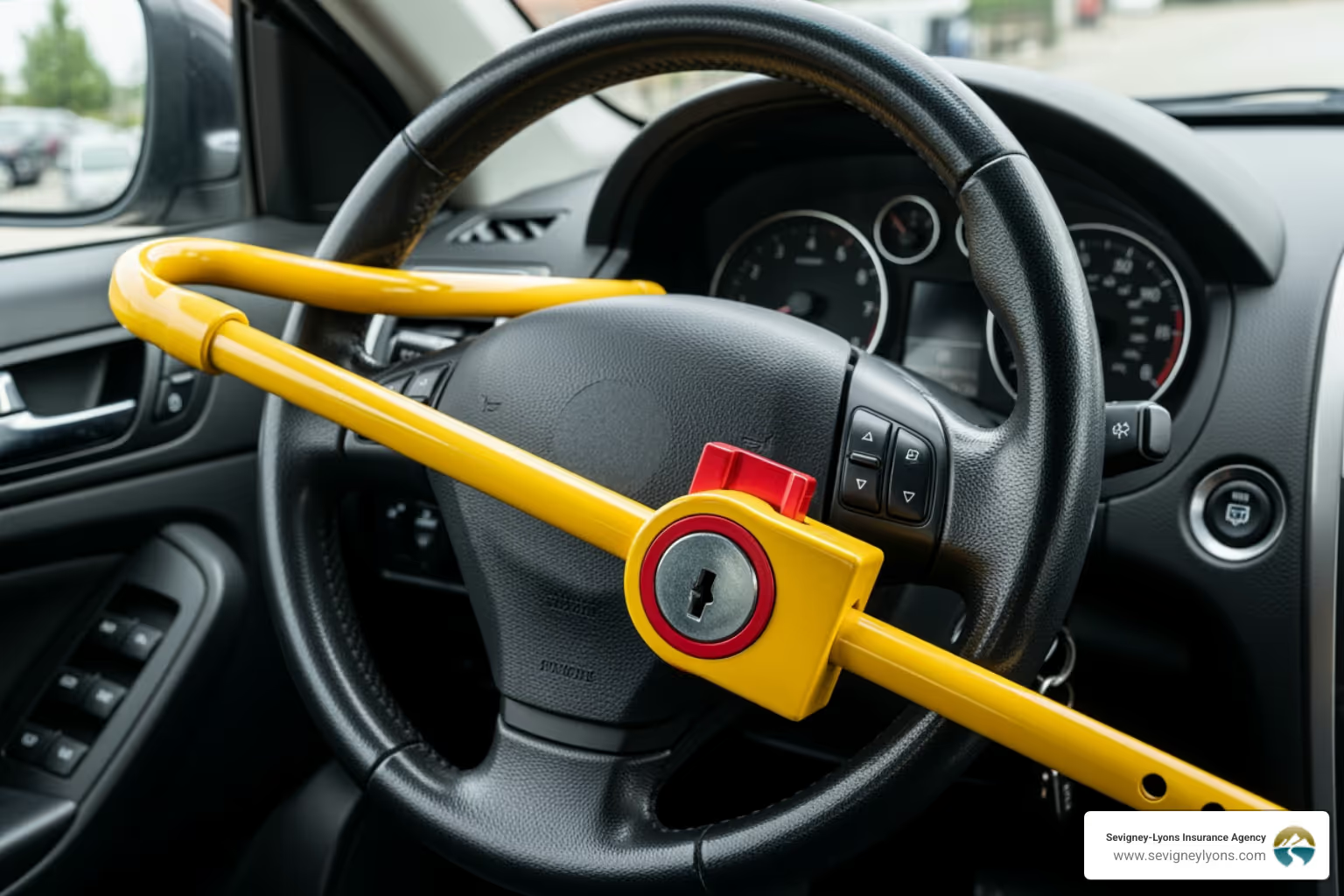
- Install physical deterrents like steering wheel locks or brake pedal locks
- Use a Faraday pouch to block key fob signals and prevent remote hacking
- Remove all valuables from sight or take them with you
- Never leave your vehicle running unattended
- Install a GPS tracker or aftermarket alarm system for added protection
- Mark your VIN on windows and parts to deter thieves
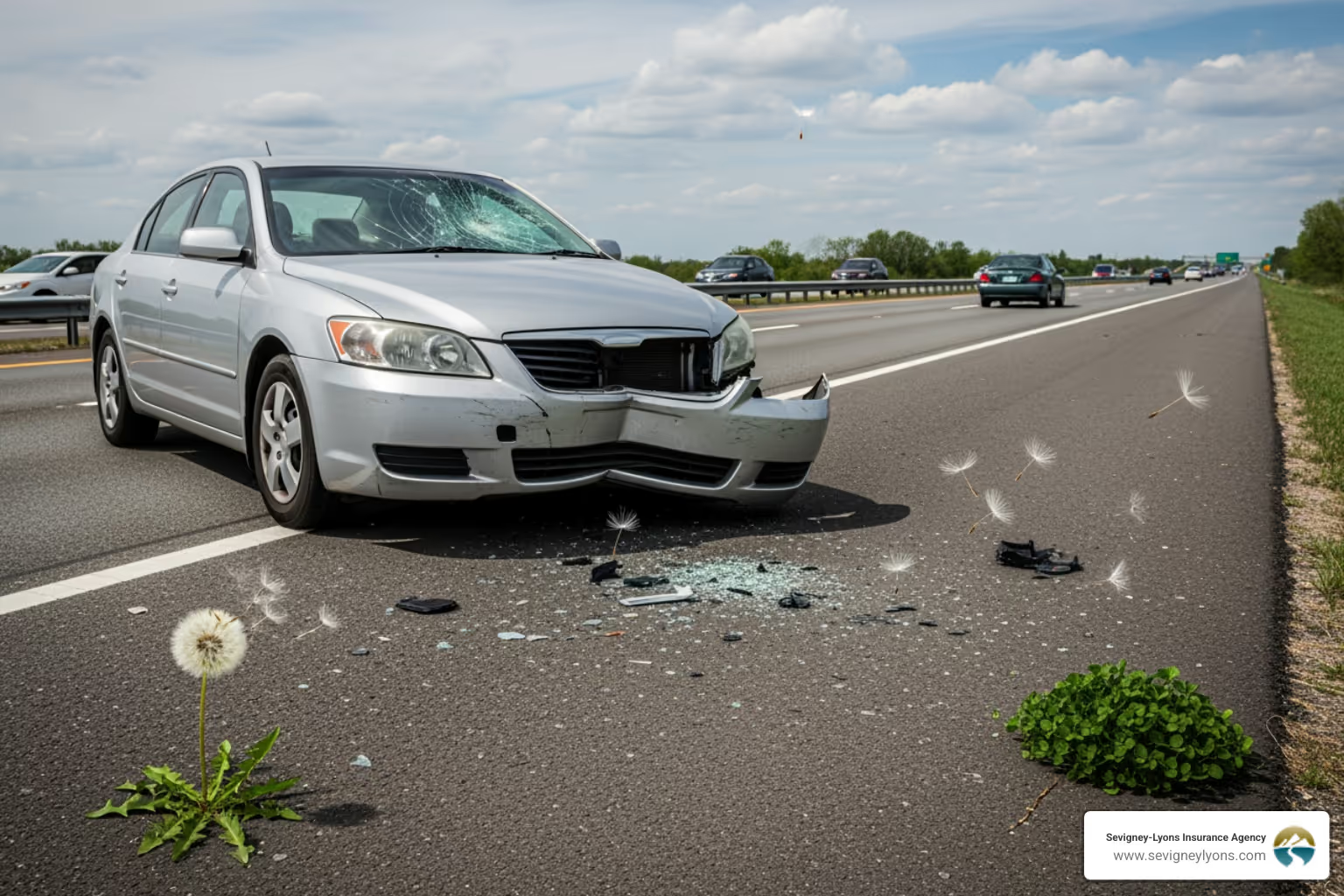
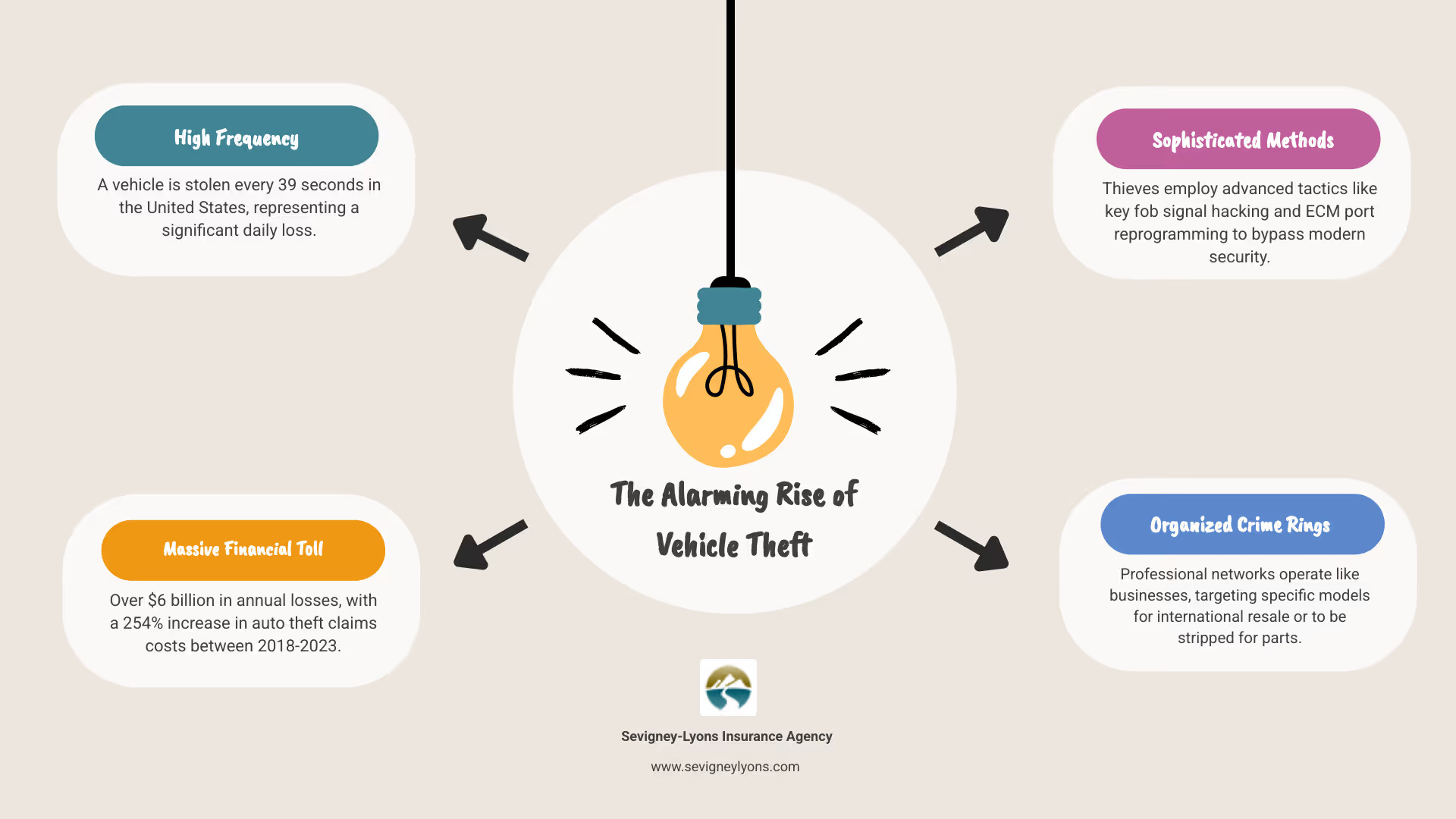
A vehicle is stolen every 39 seconds in the United States. In Canada, that number jumps to one every five minutes. These aren't just statistics - they represent real people who've lost their primary mode of transportation, their sense of security, and often thousands of dollars.
The financial toll is staggering. In 2023, auto theft losses in Canada alone exceeded $1.5 billion. Maine residents aren't immune to this crisis. From Wells to Biddeford, from Kennebunk to Ogunquit, vehicle owners face the same threats that plague the rest of the nation.
But here's what many people don't realize: vehicle theft isn't just a property crime. When someone steals your car, they're also taking your personal items, your peace of mind, and potentially your ability to get to work or care for your family. The violation runs deep.
Modern thieves have become increasingly sophisticated. They use technology to copy key fob signals, reprogram engine control modules in under a minute, and target specific makes and models that fetch the highest prices overseas. Organized crime rings run these operations like businesses, with stolen vehicles shipped to international markets or stripped for parts within hours.
The good news? You have more control than you think. By understanding how thieves operate and implementing a multi-layered security strategy, you can drastically reduce your risk of becoming a victim.
Protect your vehicle terms to remember:
Common Theft Methods Thieves Use
Understanding how thieves operate is the first step in protecting your vehicle. Gone are the days when a simple coat hanger was enough. Today's car thieves are often tech-savvy and organized.
One of the most concerning modern methods involves key fob signal hacking. Thieves use specialized devices to amplify the signal from your key fob, even if it's inside your home. This "relay attack" allows them to open up your car and even start the engine without ever touching your actual key. While some advanced techniques like Signal Amplification Relay Attack (SARA) might be less common in Maine's smaller communities, the vulnerability of keyless entry systems is a widespread concern from Portland to the southern coastal towns.
Another prevalent method involves ECM port reprogramming. In many cases, thieves will mechanically breach the driver-side door, often causing minimal visible damage. Once inside, they access the vehicle's Engine Control Module (ECM) port. This port, typically used for diagnostics, allows them to reprogram a blank key fob in under a minute, effectively creating a new key for your car and driving it away.
Beyond these high-tech tactics, opportunistic theft remains a significant problem. These are the crimes of convenience: a car left running unattended while the owner pops into a store, valuables left in plain sight, or unlocked doors. These seemingly small oversights can provide an open invitation for thieves. We've seen this happen too often, even in our communities like Kennebunk and Ogunquit.
Finally, we're seeing a surge in catalytic converter theft. This specialized crime targets a specific car part rather than the entire vehicle. Catalytic converters contain valuable precious metals like platinum, palladium, and rhodium. Thieves can slide under your car, saw off the converter in as little as 30-45 seconds, and sell it for hundreds of dollars at scrapyards. The cost to replace one can range from $500 to $3,000 or more, not to mention the inconvenience and potential for long repair times due to supply chain issues.
The Most Targeted Vehicles
While any vehicle can be a target, some models are more attractive to thieves than others. Organized crime often focuses on high-value SUVs and pickup trucks, which are in high demand for export to markets in the Middle East and West Africa. These vehicles command higher prices and are easier to transport and sell internationally.
Even popular sedans can be targets, especially if they are common models where parts are in high demand for the chop-shop industry. Thieves might steal a vehicle not to sell it whole, but to dismantle it for its valuable components.
While specific US data on the top 10 most stolen vehicles isn't provided in our research, we can look at Canadian trends as a general indicator of popular targets across North America. In 2022, the most stolen vehicle makes and models in Canada included:
- Honda CR-V
- Dodge RAM 1500 Series
- Ford F150 Series
- Lexus RX Series
- Toyota Highlander
- Honda Civic
- Jeep Grand Cherokee
- Land Rover Range Rover
- Chevrolet/GMC Silverado/Sierra 1500 Series
- Jeep Wrangler
Even if your vehicle isn't on this list, it doesn't mean you're immune to theft. Proactive measures are crucial for everyone.
A Layered Approach to Protect Your Vehicle
The most effective way to protect your vehicle is through a "layered approach" to security. Think of it like building defenses for a castle: the more layers you have, the harder it is for an intruder to get in. This strategy combines common sense habits, physical deterrents, and advanced technology to create multiple obstacles for thieves. Many of these layers are simple, free, and can significantly reduce your risk.
How to Protect Your Vehicle with Smart Parking Habits
Where and how you park your vehicle can be a powerful deterrent. Thieves often look for easy targets, and a well-chosen parking spot can make your car far less appealing.
- Park in well-lit areas: Darkness provides cover for thieves. Whenever possible, choose parking spots that are brightly lit, especially at night. This increases visibility and makes a thief feel more exposed.
- Use a garage: This is arguably the best defense. If you have a garage, use it! Parking your vehicle inside a locked garage removes it from public view and adds a significant physical barrier. Our research shows that only about 34% of car owners regularly park in a garage, leaving many vehicles unnecessarily exposed.
- Busy locations: Thieves prefer isolated areas where they can work undisturbed. Parking in high-traffic, visible locations, even if it means walking a bit further, can deter them. The presence of other people acts as a natural deterrent.
- Parking in Wells or Kennebunk: Whether you're enjoying the scenic coastline in Wells, exploring the charming streets of Kennebunk, or grabbing groceries in Biddeford, always be mindful of where you leave your car. Even in our beautiful Southern Maine communities, opportunistic thieves are always on the lookout.
-

How to Protect Your Vehicle from Opportunistic Thieves
Opportunistic thieves thrive on carelessness. These simple habits are your first line of defense and cost nothing but a moment of your time:
- Lock doors; Close windows: This seems obvious, but it's astonishing how many thefts occur because a door was left open uped or a window was slightly ajar. Always ensure all doors are locked and all windows are completely closed, even if you're just stepping away for a moment. Our research indicates that while 81% of car owners lock their vehicles, that still leaves a significant portion vulnerable.
- Hide valuables: Do not leave anything valuable in plain sight. Purses, wallets, phones, laptops, shopping bags – anything that suggests a quick score will attract attention. Stow items in the trunk before you arrive at your destination, or take them with you. A study found that 77% of car owners don't keep valuables in their car, which is a good practice to emulate.
- Never leave car running: This is a golden rule. Whether you're warming up your car on a chilly Maine morning or just running into a store for "just a second," never leave your vehicle running unattended. It's an open invitation for a thief to jump in and drive away.
- Don't hide spare keys: Avoid leaving a spare key anywhere in or on your vehicle. Thieves know all the common hiding spots. Keep all keys secure and with you.
Physical Deterrents That Work
Physical deterrents are visible signs that tell a thief, "This car is too much trouble." They add layers of difficulty and time, which are critical factors for thieves looking for a quick getaway.
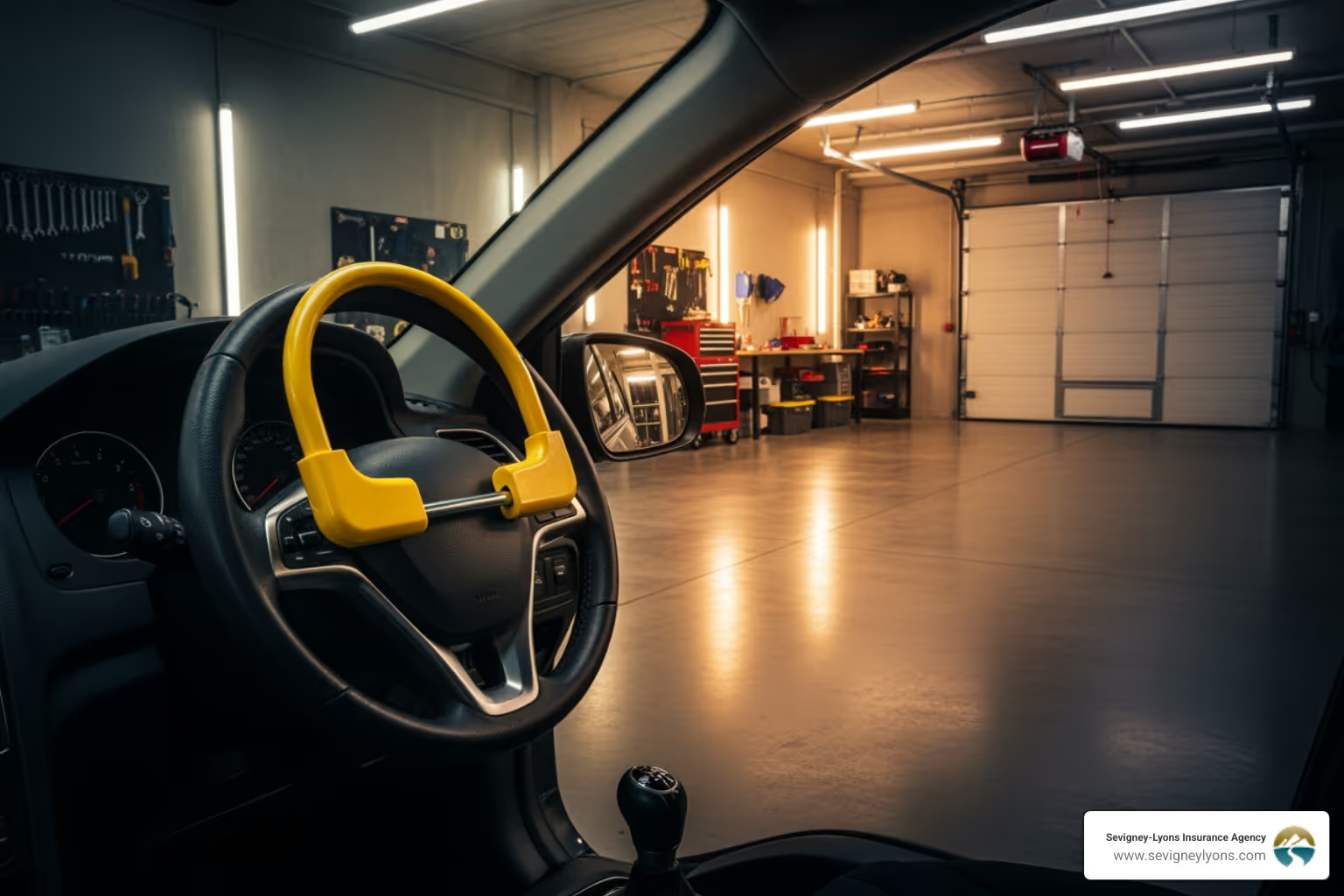
- Steering wheel locks: These devices physically block the steering wheel, making it impossible to steer the car. Their bright color also serves as a strong visual deterrent.
- Brake pedal locks: Similar to steering wheel locks, these devices secure the brake pedal, preventing the thief from driving the car safely.
- Wheel locks: These are particularly useful for protecting valuable rims or preventing the car from being driven away entirely.
Visible deterrents can make a thief move on to an easier target. We encourage every driver in Portland, Wells, or wherever you might be in Maine, to consider these simple yet effective tools. Get the Best Auto Insurance Coverage in Maine
Beyond the Basics: Advanced Security and Technology
While common sense and physical barriers are crucial, modern vehicles and tech-savvy thieves often require more advanced security measures. These systems can provide additional layers of protection, working silently or actively to safeguard your investment.
Alarms, Immobilizers, and Kill Switches
These electronic systems are designed to prevent a vehicle from being started or to draw attention if a theft attempt occurs.
- Passive alarms: Most new vehicles come equipped with factory-installed alarms. These systems automatically arm themselves and sound an alert if a door is opened, the car is jostled, or an attempt is made to start the engine without the proper key. While 33% of car owners have factory-installed systems, regularly testing your alarm to ensure it's functioning is a good practice. For older vehicles, installing an aftermarket alarm can be a smart upgrade.
- Electrical immobilizers: These devices prevent the engine from starting unless the correct key or transponder is present. They often cut off the fuel, ignition, or starter motor. Most modern cars have these as standard, but aftermarket versions can be added to older models for improved security.
- Mechanical immobilizers: While often grouped with physical deterrents, some immobilizers are integrated into the vehicle's mechanics, like a gear shift lock, making it impossible to shift out of park or neutral without a key.
- Kill switches: A kill switch is a hidden device that, when activated, disrupts a crucial electrical or fuel system component, preventing the car from starting. This is an excellent, low-cost aftermarket option that can be installed by a professional. Thieves often don't have time to troubleshoot a hidden kill switch.
If you are unsure which of these options makes the most sense for your daily driving in towns like Wells or Biddeford, talk with your local mechanic or installer about what fits your specific vehicle.
Key Fob and Data Port Protection
With the rise of keyless entry and start systems, new vulnerabilities have emerged. Protecting your key fob and the vehicle's data ports is vital.
- Faraday pouches; Metal containers: These specialized pouches or metal boxes block radio signals. Storing your key fob in one, especially overnight or when parked near your home, can prevent thieves from using relay attack devices to capture and amplify your key's signal. This simple step can effectively neutralize keyless entry theft.
- ECM port locks: As we discussed, thieves can reprogram a new key through your vehicle's Engine Control Module (ECM) port. An ECM port lock is a physical device that covers and secures this port, preventing unauthorized access and reprogramming. This can be a highly effective deterrent against one of the most common high-tech theft methods.
Tracking, Etching, and Surveillance
These technologies provide an extra layer of security, either by helping recover a stolen vehicle or deterring thieves through increased risk of identification.
- GPS trackers: A GPS tracker can be invaluable for locating a stolen vehicle. Many aftermarket options are available, and some even integrate with smartphone apps for real-time tracking and geo-fencing alerts if your car moves outside a designated area. While organized crime groups are sometimes aware of factory-installed tracking systems and how to disable them, a discreetly installed third-party tracker can still be very effective.
- VIN etching: Etching your Vehicle Identification Number (VIN) onto your car's windows and other major components makes your vehicle less attractive to thieves. If a car is stolen to be chopped for parts, replacing all the etched glass is expensive and time-consuming, making the parts harder to sell. Similarly, marking other vulnerable parts with the VIN using a UV pen or etching can deter thieves and aid police in identifying stolen components.
- Dash cameras; Driveway security cameras: Surveillance can be a powerful deterrent and a crucial tool for evidence. A dash camera with motion detection can record any activity around your parked vehicle. Installing motion-activated lights and exterior surveillance cameras around your driveway or garage can deter thieves and capture footage of suspicious activity. Studies show that about 20% of homeowners use sensor lights or video cameras for this purpose, a practice we encourage across Maine.
By implementing the security measures that make sense for your home and neighborhood here in Southern Maine, you can significantly improve your vehicle's overall safety.
Get the Best Auto Insurance Coverage in Maine
When Prevention Fails: Your Action Plan for a Stolen Vehicle
Despite all preventative measures, sometimes a vehicle is still stolen. Knowing what to do immediately can significantly increase the chances of recovery and streamline the insurance process.
Step 1: Contact the Police Immediately
Time is of the essence when your vehicle is stolen. The sooner you report it, the better the chances of recovery.
- File a police report: As soon as you find your car is missing, call the police. Provide them with all the details they need to file a full stolen vehicle report.
- Provide vehicle details: Be prepared to give them crucial information such as your Vehicle Identification Number (VIN), license plate number, make, model, color, and any distinguishing features (e.g., bumper stickers, dents, aftermarket accessories). Having this information written down or easily accessible beforehand can save precious time.
- Increasing recovery chances: Our research shows that reporting a stolen vehicle immediately, especially within the first 24 hours, can increase your chance of recovery by as much as 34%. This is because stolen vehicles are often still within a recoverable range before they are dismantled or shipped overseas.
Step 2: Notify Your Insurance Company
After contacting the police, your next call should be to us, your insurance provider.
- Report the theft: Inform your insurance company about the theft as soon as possible. They will guide you through the claims process and explain your coverage.
- Stolen vehicle report copy: You will likely need a copy of the police report for your insurance claim. Make sure to request one from the police department.
- Claim process: We will work with you to understand the details of the theft and help you steer the necessary steps for your claim. This includes understanding your deductible and how your policy will compensate you for your loss. For a comprehensive look at what your policy covers, consider an Auto Insurance Policy Review Maine.
The Final Layer: How Insurance Safeguards Your Investment
Even with the most robust security measures, theft can still occur. This is where your auto insurance acts as your final, crucial layer of protection, providing a financial safety net during a stressful time.
Understanding Your Coverage for Theft
When it comes to vehicle theft, the key component of your auto insurance policy is comprehensive coverage.
- Comprehensive Automobile Liability Insurance: This portion of your policy covers damages to your vehicle that are not caused by a collision, including theft, vandalism, fire, and natural disasters. If your car is stolen, comprehensive coverage will typically pay out the actual cash value (ACV) of your vehicle at the time of the theft, minus your deductible.
- Actual cash value vs. replacement cost: Most policies pay out the actual cash value. However, some policies or endorsements might offer replacement cost coverage for newer vehicles, which would pay to replace your stolen car with a brand-new one of similar make and model. It's vital to understand the specifics of your policy.
- We often get asked, Do I Need Full Coverage Auto Insurance?. While "full coverage" isn't a single type of policy, it generally refers to a combination of liability, collision, and comprehensive coverage, which is essential for protecting against theft.
To see how theft coverage fits into your protection plan, you can work with a local Maine agent who understands rates and risks from Wells to Portland to tailor these concepts to your own policy.
Carjacking Prevention and Awareness
While carjacking represents a smaller percentage of auto theft incidents, it is a violent crime that poses a direct threat to your personal safety. Being aware and prepared can help you avoid becoming a victim.
- Situational awareness: Always be aware of your surroundings, especially when getting in and out of your car, or when stopped at lights or ATMs. Avoid distractions like your phone.
- Avoiding high-risk areas: If possible, avoid being alone in your vehicle in high-crime neighborhoods, isolated roads, or desolate parking areas, particularly at night.
- Common carjacker lures: Carjackers use various tactics to get you to stop or exit your vehicle. These can include:
- The bump: They intentionally rear-end your car, hoping you'll get out to exchange information.
- The good Samaritan: They might signal that something is wrong with your car (e.g., a flat tire) to get you to pull over.
- The stranded motorist: They pretend to be in distress to lure you to stop and help.
- The distraction: They might create a distraction outside your vehicle while another accomplice opens your door.
- What to do if confronted: If you suspect a carjacking attempt, stay inside your vehicle with doors locked and windows up. If you feel threatened, drive to the nearest police or fire station, or any populated area. Do not pull over for staged accidents if you feel unsafe; instead, drive to a safe public place and call 911. If directly confronted and resistance would put you in greater danger, do not resist. Your life is more valuable than your vehicle.
By adapting these safety strategies to your daily routines around Southern Maine, you can further enhance your personal and vehicle security.
Frequently Asked Questions about Vehicle Protection
How does VIN etching help prevent car theft?
VIN etching makes a car's parts traceable and harder for thieves to sell, as replacing all the glass is expensive, thus deterring them from targeting your vehicle. By marking your VIN on windows and other major components, you make the vehicle less profitable for chop shops and less appealing for thieves who want to sell it whole with a "clean" identity. It's a simple, cost-effective deterrent that adds a layer of protection.
Are factory-installed anti-theft systems enough to protect my vehicle?
While helpful, factory systems can often be bypassed by sophisticated thieves. Many modern theft methods, such as key fob signal hacking or ECM port reprogramming, specifically target the vulnerabilities of these standard systems. A layered approach using additional physical and electronic deterrents (like steering wheel locks, Faraday pouches, or aftermarket immobilizers) provides much stronger protection. Think of factory systems as a good starting point, but not the complete solution.
Does my auto insurance premium go down if I install an anti-theft device?
Many insurance providers offer discounts for approved anti-theft devices like alarms, immobilizers, and tracking systems. These devices reduce your risk of theft, and insurers often reward that with lower premiums. It's best to check with your agent to see what discounts you may qualify for. We at Sevigney-Lyons are always happy to review your current policy and discuss potential savings based on your vehicle's security features.
Secure Your Peace of Mind in Maine
Protect your vehicle is more than just a suggestion; it's a necessity in today's environment. We've explored the alarming rise of vehicle theft, the sophisticated methods thieves employ, and a comprehensive "layered approach" to safeguarding your car. From simple habits like locking your doors and parking smartly in Wells or Biddeford, to advanced technologies like GPS trackers and VIN etching, every step you take adds a crucial layer of defense.
Vigilance is key, but so is knowing you have a reliable partner. As an independent insurance agency deeply rooted in Southern Maine, Sevigney-Lyons Insurance Agency understands the unique needs of our community. We combine decades of experience with access to over 20 top carriers to provide custom insurance solutions, ensuring that even if the worst happens, you're financially protected.
Don't wait until it's too late to review your vehicle's security or your insurance coverage. We're here to help you understand your options and secure your peace of mind, whether you're in Portland, Kennebunk, Ogunquit, or anywhere else in our beautiful state.